
A Commercial Construction Guide from REIC Rentals
Spring signals the return of large-scale exterior work across commercial construction sites. From steel erection and façade installation to electrical, HVAC, and signage projects, crews head back outdoors to take advantage of longer daylight hours and rising temperatures.
But spring conditions are rarely predictable. Soft ground, shifting weather patterns, and tight job site schedules mean that selecting the right aerial lift is based on more than convenience; it’s a strategic decision that affects productivity, safety, and project timelines.
Choosing the right boom lift for outdoor spring projects requires understanding terrain, lift height, horizontal reach, weight distribution, and site logistics. With a comprehensive fleet, specialized equipment options, and consultative expertise, REIC Rentals helps commercial contractors make informed decisions that keep work moving efficiently.
Below, we break down what to consider when selecting a boom lift for spring construction and how partnering with the right rental provider simplifies the process.
Why Spring Conditions Require Careful Equipment Selection
Outdoor commercial work in spring presents challenges that differ significantly from mid-summer operations. Melting frost and seasonal rainfall can leave job sites uneven and saturated. Access roads may not be fully stabilized, and staging areas may shift as projects ramp up after winter slowdowns.
These conditions impact:
- Equipment stability
- Ground pressure tolerance
- Machine mobility
- Worker safety
- Overall job efficiency
Selecting a lift designed for firm, dry surfaces may create unnecessary risk in early-season conditions. That’s why evaluating the work environment first is critical.
REIC Rentals works closely with contractors to assess job site variables before recommending equipment, ensuring that boom lift selection aligns with real-world conditions, not assumptions.
Step 1: Evaluate Terrain and Ground Conditions
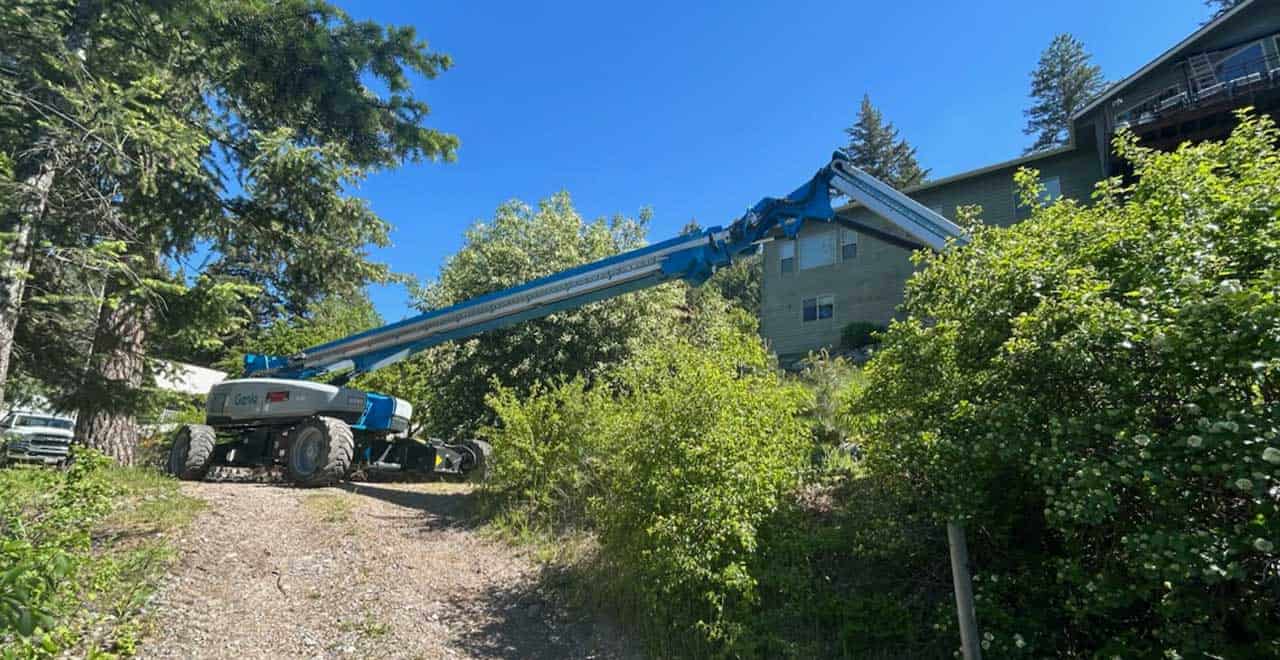
One of the first decisions when choosing a boom lift is determining whether your project requires a rough-terrain model.
Rough-Terrain Boom Lifts
Ideal for:
- Uneven or muddy ground
- Outdoor structural steel work
- Large commercial developments
These units typically feature:
- Four-wheel drive capability
- Larger tires for traction
- Increased ground clearance
- Stabilization systems for uneven surfaces
In spring, rough-terrain models are often the safest and most efficient choice for exterior commercial work.
Electric or Hybrid Boom Lifts
For projects in mixed indoor-outdoor environments, such as partially enclosed structures or phased retail builds, electric or hybrid models may be appropriate. They offer reduced emissions and quieter operation while still delivering strong performance.
REIC Rentals offers a diverse range of boom lifts to match the specific needs of each commercial site, eliminating the guesswork from equipment selection.
Step 2: Determine Height and Outreach Requirements
Commercial projects vary widely in scope. Installing exterior glazing on a multi-story office building demands very different reach capabilities than performing lighting upgrades in a distribution center yard.
When evaluating lift height and outreach, consider:
- Maximum platform height required
- Horizontal reach to clear obstacles
- Weight capacity for workers and materials
- Clearance around existing structures
Underestimating reach can lead to repositioning delays, while oversizing equipment can create unnecessary site congestion.
Our rental professionals help contractors right-size equipment based on building specifications and task requirements, ensuring efficient positioning and reduced downtime.
Step 3: Consider Job Site Accessibility
Outdoor projects often include tight access points, shared work zones, or phased construction areas. Understanding how a lift will move around the site is just as important as how high it can reach.
Key considerations include:
- Entry gate width
- Surface load capacity
- Turning radius
- Proximity to other trades
- Storage and staging space
With locations across the United States and Canada, REIC Rentals combines national fleet resources with local expertise. Regional teams understand local regulations, seasonal ground conditions, and space limitations, helping contractors strategically plan equipment deployment.
This balance of scale and local knowledge reduces logistical challenges before they arise.
Step 4: Plan for Power, Lighting, and Extended Hours
Spring construction schedules often expand quickly. Longer days and compressed timelines may require early morning starts or extended evening shifts.
Reliable access to temporary power and adequate lighting ensures boom lift operations remain safe and productive. REIC Rentals supplies generators, light towers, and specialty lighting systems to support demanding commercial environments.
In addition, solar hybrid lighting options can improve efficiency while reducing fuel consumption, supporting sustainability initiatives that many commercial developers prioritize.
Coordinating lift equipment with power and lighting solutions through a single provider streamlines planning and improves overall site organization.
Step 5: Account for Safety and Compliance
Aerial work platforms introduce inherent risks, making equipment selection and maintenance critical. Commercial contractors must ensure lifts are properly inspected, suited to the environment, and aligned with regulatory standards.
Working with a dependable rental partner reduces liability exposure and operational uncertainty.
REIC Rentals maintains a well-serviced fleet and emphasizes equipment readiness. For complex commercial projects, REIC Rentals Expert Solutions offers integrated planning, on-site support, spare unit coordination, and rapid response service, helping protect uptime and reduce operational risk.
This level of coordination is particularly valuable for multi-phase builds, infrastructure improvements, and industrial projects where equipment reliability directly impacts critical path schedules.
Step 6: Think Beyond the Lift Itself
Choosing the right boom lift is only part of the equation. Commercial projects frequently require a combination of equipment categories working together.
For example:
- Earthmoving equipment may prepare stable access routes.
- Compaction equipment may reinforce staging zones.
- Temporary climate systems may protect materials or enclosed work areas.
- Pumps may be used to manage standing water near foundation perimeters.
REIC Rentals’ comprehensive fleet allows contractors to source multiple equipment types from a single, coordinated provider. This reduces administrative burden and ensures compatibility across project phases.
Rather than managing separate vendors for aerial lifts, power, earthmoving, and specialty systems, contractors can centralize planning, improving efficiency and accountability.
The Advantage of a Consultative Approach
Not all rental providers operate the same way. In commercial construction, a transactional model, simply requesting equipment and arranging delivery, often falls short.
REIC Rentals takes a consultative approach. Teams work with project managers to:
- Review project scope and timelines
- Align equipment choices with environmental conditions
- Coordinate delivery schedules
- Support on-site logistics
- Provide responsive service throughout the project lifecycle
For larger and more intricate projects, REIC Rentals Expert Solutions functions as an extension of the construction team, offering integrated equipment strategies, utilization insights, and cost visibility.
This proactive partnership reduces inefficiencies and enhances performance across the board.
Supporting a Wide Range of Commercial Applications
Boom lifts play a critical role in many outdoor spring projects, including:
- Structural steel installation
- Exterior façade work
- Roofing operations
- Mechanical system placement
- Electrical and lighting upgrades
- Signage installation
- Industrial maintenance
REIC Rentals serves contractors across commercial, industrial, and infrastructure sectors, providing scalable solutions that match project size and complexity.
Whether supporting a regional retail expansion or a large-scale industrial development, REIC Rentals delivers the equipment and expertise needed to execute safely and efficiently.
Why Contractors Rely on REIC Rentals
When selecting aerial equipment for demanding outdoor projects, reliability matters.
Clients consistently value REIC Rentals for:
- A broad, well-maintained equipment fleet
- Knowledgeable professionals who understand construction workflows
- National reach combined with responsive local service
- Innovative equipment options
- Commitment to uptime and dependable performance
Spring conditions can introduce unpredictability. Working with a partner focused on preparedness and professionalism provides peace of mind when schedules are tight and expectations are high.
Elevate Your Spring Project with the Right Equipment Partner
Choosing the appropriate boom lift for outdoor work is a decision that influences safety, productivity, and profitability. Evaluating terrain, reach requirements, site access, and integrated equipment needs ensures your team is positioned for success.
With extensive fleet options, industry knowledge, and coordinated support services, REIC Rentals stands ready to assist commercial contractors throughout the busy spring construction season.
If you’re preparing for exterior work and want to ensure your equipment strategy supports efficiency and performance, connect with REIC Rentals today. Our team will help you select the right boom lift and provide the comprehensive support your commercial project demands.
