Aerials & Lifts
Description
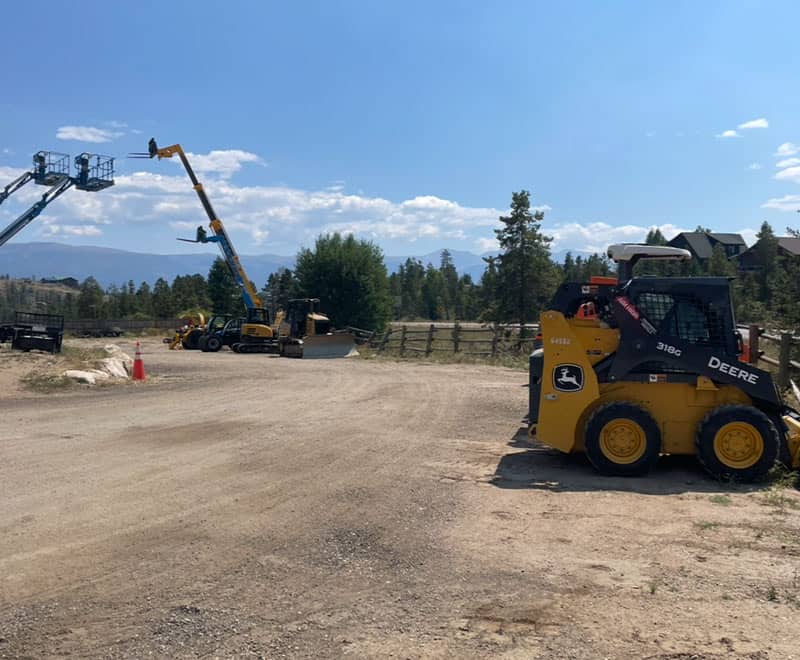
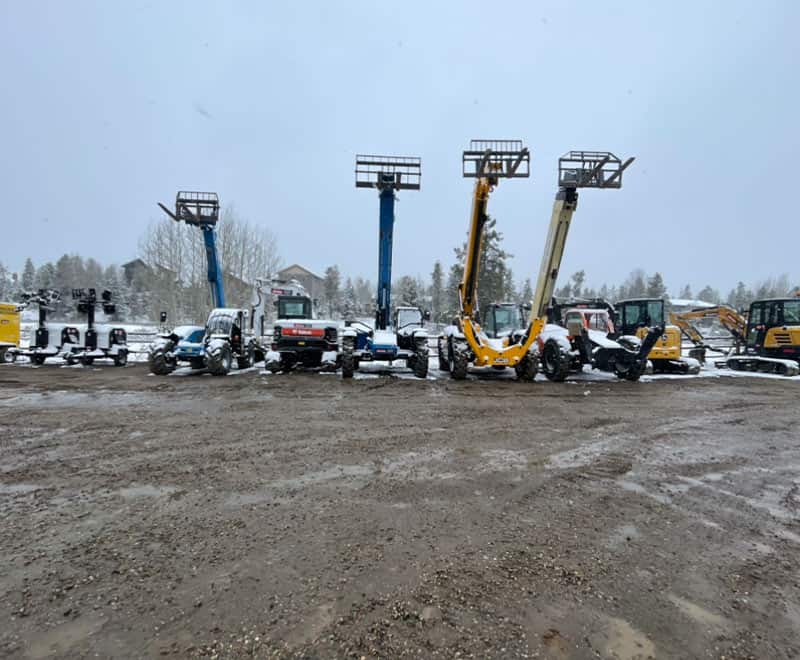
Access complex elevations with a fleet engineered for stability and precision reach. From articulating booms for difficult-to-access overhead work to…
Monday 7:30am–5pm
Tuesday 7:30am–5pm
Wednesday 7:30am–5pm
Thursday 7:30am–5pm
Friday 7:30am–5pm
Saturday Closed
Sunday Closed
Ask Us About Our 24/7 Service Support
"*" indicates required fields

Access complex elevations with a fleet engineered for stability and precision reach. From articulating booms for difficult-to-access overhead work to…

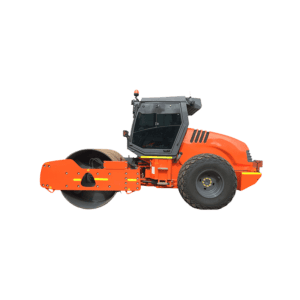
Achieve structural integrity with industrial-grade finishing and compaction solutions designed for the toughest site requirements. Whether you are prepping a…
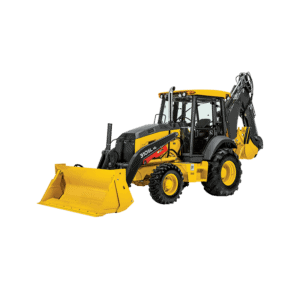
Our earthmoving fleet provides the breakout force and hydraulic power necessary for rapid site development and excavation. From compact units…
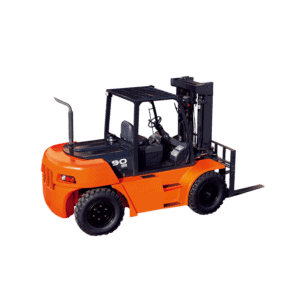
Maximize your material handling efficiency with our comprehensive fleet of industrial and rough-terrain forklifts, engineered to deliver powerful lifting performance…
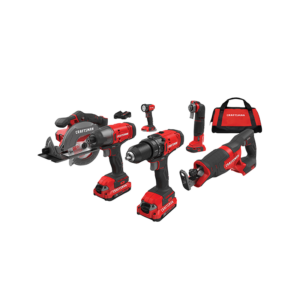
Equip your project with professional-grade tools designed for durability and high-torque performance across all trades. This comprehensive category provides the…
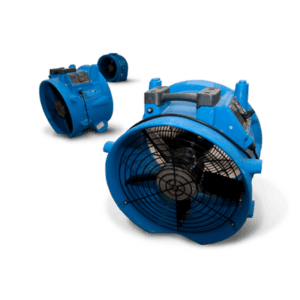
Maintain critical climate control and air quality with our high-capacity heating, cooling, and ventilation units. Engineered to handle large-scale commercial…
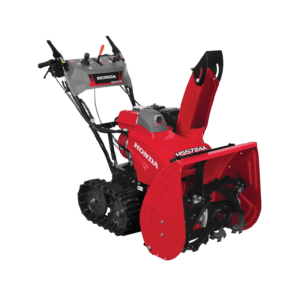
Transform raw land and maintain expansive commercial properties with our high-performance turf and timber management equipment. From heavy-duty brush clearing…
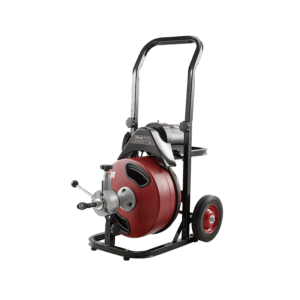
Streamline mechanical and electrical installations with specialized tools for threading, bending, and routing. Our inventory is built to handle heavy-wall…
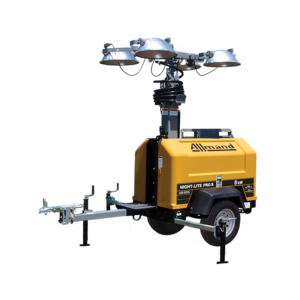
Ensure 24/7 site productivity with dependable power distribution and high-intensity lighting solutions. From towable generators for remote sites to LED…
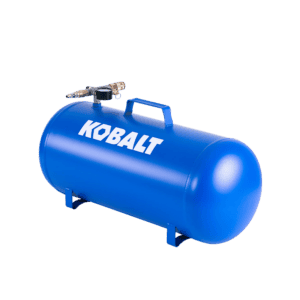
Deploy high-volume fluid management and consistent pneumatic power with our industrial pumps and compressors. Whether you are dewatering a major…
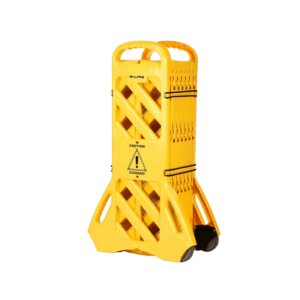
Mitigate jobsite risks and ensure site accessibility with our professional-grade safety and access solutions. This category includes everything from trench…
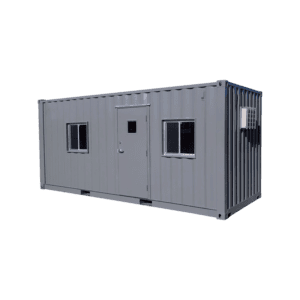
Optimize your logistics and site organization with rugged storage containers and high-capacity hauling solutions. Our weather-resistant containers protect valuable assets…
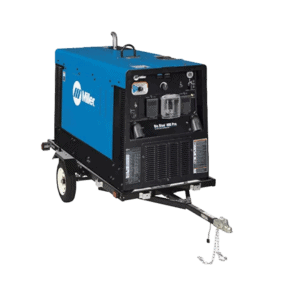
Achieve structural-grade bonds with our versatile fleet of portable and industrial welding units. Designed for precision and durability in the…
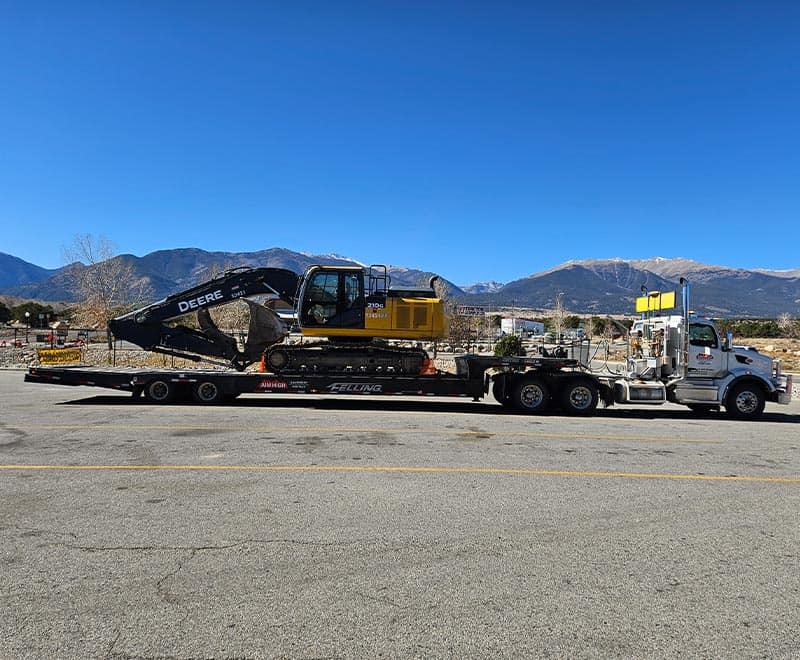
Granby sits at the entrance to Middle Park, one of Colorado’s largest high mountain valleys, at an elevation of 7,935 feet on the western slope of the Continental Divide. Granby might not be the most famous name in Colorado’s mountain resort economy, but it is the geographic center of it. Winter Park is 25 miles east. Steamboat Springs is 55 miles northwest. The Summit County resorts are 45 miles south. Vail is 70 miles south. Grand Junction is 125 miles west. REIC Rentals in Granby is the equipment hub for this entire corridor, which includes a significant majority of Colorado’s alpine resort and mountain community construction market.
That market operates on a calendar that does not exist anywhere else in the REIC Rentals network. Ski resort construction is constrained to the period between the end of one ski season in April and the beginning of the next in November. Mountain community residential construction is compressed into the summer window when subcontractor access is feasible and when the permitting and access requirements of mountain terrain allow it. Commercial and hospitality construction serving visitors who never see anything below 8,000 feet is driven by a combination of ski-season opening dates and summer-season readiness, creating hard completion deadlines months before work starts.
Our Granby location serves the full mountain corridor from a single point at the center of it. East on US-40, the route runs through Winter Park, Tabernash, and Fraser before crossing Berthoud Pass to reach Silverthorne, Frisco, Breckenridge, Keystone, Copper Mountain, and Vail via I-70. North on US-40 lies Steamboat Springs and the Yampa Valley. West on I-70, Glenwood Springs and the canyon corridor connect to Grand Junction and the Western Slope’s agricultural and energy market. The full range of mountain community construction is within our delivery territory, from the premium ski resort markets of Summit County and the Vail Valley to the agricultural and energy-adjacent markets of the Western Slope.
No other location in the REIC Rentals network serves a resort construction market at the scale and elevation profile of the Granby corridor. Hotel, lodge, and resort construction across Colorado’s major ski resorts, from Winter Park through the Summit County resorts to Vail and Steamboat, is the defining project type for this location. These projects operate under opening-day deadlines set before construction begins and cannot be moved without contractual and reputational consequences.
Ski resort base area development includes lift terminal buildings, day lodge renovations and expansions, ski school and patrol facilities, and the commercial retail infrastructure that makes ski resort base villages function. These are compressed-window projects that must be completed before November, regardless of when the permit was issued. Slope-adjacent lodging and condominium development at Vail, Breckenridge, Keystone, and Steamboat involves multi-story, high-specification projects at elevation, where the compressed build window and premium specification requirements demand careful equipment selection and delivery planning. Boutique hotels and lodges in Frisco, Silverthorne, and the smaller mountain communities that serve resort visitors are equally time-constrained by seasonal windows. Glenwood Springs hospitality construction, including the historic lodge hotels and the new hospitality development serving the resort’s hot springs and outdoor recreation economy, adds canyon access and delivery constraints that require route planning before equipment arrives.
Residential construction in Colorado’s mountain communities is one of the most premium and operationally demanding construction markets in the country. The buyers commissioning custom homes in Breckenridge, Steamboat Springs, and the Vail Valley are building to specifications that exceed those of most residential markets, and the terrain, elevation, and access constraints of mountain parcels require equipment matched to those specific conditions. The compressed summer construction season, the access limitations of mountain parcels, and the premium specification requirements all combine to create a residential construction environment that requires careful equipment selection and planning.
We stock compact earthmoving equipment for parcels where terrain and environmental restrictions limit the use of full-size machines. Mountain residential sites often have slope conditions, tree canopy requirements, and stream setback restrictions that make compact, precise machines the only viable option. Grand Junction and the Western Slope residential market present a different kind of construction environment: a lower-elevation agricultural valley with its own growth dynamic tied to the energy and agricultural economies of the Western Slope.
Heating is not a seasonal consideration at Granby corridor elevations; it is a year-round operational variable. The mountain communities this location serves range from 6,500 to over 11,000 feet in elevation, and at those altitudes, a late-September cold snap can impose winter construction conditions six weeks before the Front Range sees them. Our Jet Heat flameless heaters are the correct tool for this environment: high static pressure to move heat through the long duct runs required in large enclosed mountain construction spaces, no open flame that creates fire risk or ventilation requirements in enclosed mountain structures, and the output capacity to maintain construction temperatures at altitudes where conventional heating equipment underperforms due to reduced air density.
Cold-weather concrete curing at high elevations is more demanding than at Front Range elevations. The combination of lower air pressure, lower ambient temperatures, and the greater diurnal temperature swing at altitude creates concrete curing conditions that require heating plans calibrated to actual mountain conditions, not lowland cold-weather guidelines. Granby itself, at 7,935 feet, represents the lower end of the elevation range across this territory. Breckenridge at 9,600 feet and construction sites at ski resort elevation require heating plans that account for the altitude multiplier on every cold-weather construction challenge.
Site preparation for resort development at altitude involves rocky subsoils and bedrock that define most Colorado mountain resort sites, requiring earthmoving equipment capable of working in the specific geological conditions of the high country. We stock rock-capable excavators, breaking attachments, and compaction equipment matched to the material being placed. Grand Junction and the Western Slope present a completely different earthmoving environment: alluvial valley soils, large agricultural parcels, and the industrial site preparation requirements of the energy and manufacturing operations that anchor the Western Slope economy.
We provide generator primary power for construction sites at resort elevations where utility infrastructure lags development. Mountain resort development parcels, particularly those on the fringes of existing resort areas, frequently require primary generator power for the full construction program. Rough-terrain boom lifts and scissor lifts for multi-story resort and residential construction at altitude require careful equipment selection, as performance specifications at sea level do not apply at 9,000 feet. Our team discusses altitude performance for the specific equipment your project requires before delivery. Light towers extend the compressed summer construction programs, where extended work hours are the practical response to short building seasons. In mountain communities where the window from snow-out to first freeze can be as short as four months, every hour of usable daylight is a production asset.
The opening day of ski season is the most immovable deadline in the Colorado mountain construction calendar. It is set by the resort operator, communicated to ticket buyers and hotel guests months in advance, and financially backed by presale commitments that the resort cannot return. A construction program that misses the ski season opening because of equipment delays does not get a do-over. The resort opens without the amenity, and the contractor absorbs the consequence. Equipment reliability and delivery precision are more important in this market than in almost any other we serve. The contractor winning resort construction programs in Vail, Breckenridge, and Steamboat needs to know that the equipment will be on site on the day it is needed, maintained and ready. That is the commitment our Granby location is built around.
Can you support resort and ski area construction near Cle Elum?
Yes. Resort development in the Cle Elum area, from Suncadia to the upper I-90 corridor, involves compressed build windows, mountain weather, and access constraints that we plan for rather than react to. We provide heating for winter enclosures, earthmoving for elevated-site preparation, primary-power generators for remote locations, and the full construction tool set. Mountain resort construction schedules are not forgiving, and our team understands what that means operationally.
Can you support ski resort construction with ski season opening deadlines at Vail, Breckenridge, or Steamboat?
Yes. Resort construction on ski season opening deadlines is the defining project type for our Granby location. We build the delivery and availability plan around the opening date and the construction phases that must be completed before it. Our team discusses equipment deployment, contingency planning, and response protocols for the compressed schedule imposed by ski season construction. Opening day does not move, and our planning reflects that.
How does altitude affect equipment performance across your territory?
Naturally aspirated equipment loses power at altitude due to lower air density. Modern turbocharged construction equipment is largely unaffected, but heating equipment output is altitude-sensitive, and any engine-driven equipment that is not turbocharged will show reduced performance above 8,000 feet. Our fleet is selected and maintained for the altitude range in our territory, and our team discusses altitude performance for your specific application before delivery, rather than discovering a limitation after the equipment arrives.
Can you serve Grand Junction and the Western Slope?
Yes. Grand Junction is approximately 125 miles west of Granby on I-70. We deliver to Grand Junction and the Western Slope on scheduled rotations with lead time appropriate for the distance. Grand Junction’s agricultural, energy, and commercial construction market is distinct from the mountain resort corridor, and our team is familiar with the Western Slope’s driving conditions and equipment requirements.
Can you support Durango construction from Granby?
Yes, with planning. Durango is the most distant delivery in our territory, approximately 300 miles from Granby via multiple mountain routes. For Durango construction programs, we coordinate delivery logistics with significant advance notice to confirm equipment availability, routing, and timing. The San Juan Mountains and Wolf Creek Pass route requires planning around seasonal road conditions.
What equipment do you carry for compact residential construction in the mountains?
We maintain a range of compact track loaders and mini excavators suited for the access-constrained, slope-challenged, environmentally sensitive sites required by mountain residential construction. For parcels where environmental restrictions limit the use of full-size equipment, we match the compact machine to the site conditions before delivery. Our team is familiar with the specific access patterns of residential sites in resort communities across the Granby corridor.
How do you handle heating for enclosed construction at high elevation?
Our Jet Heat flameless heaters are specifically suited for high-altitude enclosed construction. They produce heat without combustion in the heated space, which matters both for safety in enclosed structures and for the ventilation requirements that combustion-based heaters impose at altitude. High-static-pressure design moves heat through long duct runs into large mountain construction spaces. For each project, our team discusses the specific heating capacity requirement based on your enclosure size, insulation level, altitude, and expected low temperatures rather than applying a generic sizing estimate.