Aerials & Lifts
Description
Access complex elevations with a fleet engineered for stability and precision reach. From articulating booms for difficult-to-access overhead work to…
Monday 7:30am – 5pm
Tuesday 7:30am – 5pm
Wednesday 7:30am – 5pm
Thursday 7:30am – 5pm
Friday 7:30am – 5pm
Saturday 8am – 12pm
Sunday Closed
Ask Us About Our 24/7 Service Support
"*" indicates required fields

Access complex elevations with a fleet engineered for stability and precision reach. From articulating booms for difficult-to-access overhead work to…

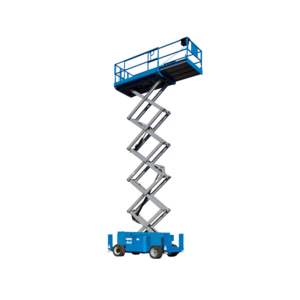
Achieve structural integrity with industrial-grade finishing and compaction solutions designed for the toughest site requirements. Whether you are prepping a…
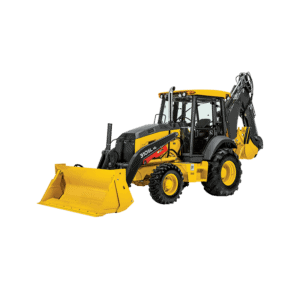
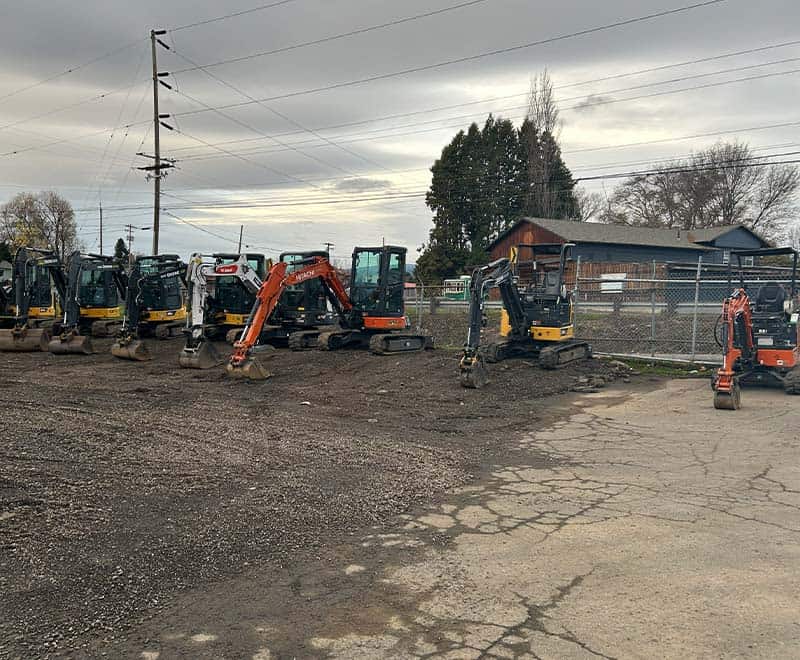
Our earthmoving fleet provides the breakout force and hydraulic power necessary for rapid site development and excavation. From compact units…
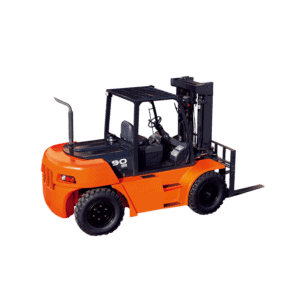
Maximize your material handling efficiency with our comprehensive fleet of industrial and rough-terrain forklifts, engineered to deliver powerful lifting performance…
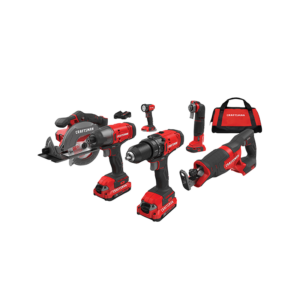
Equip your project with professional-grade tools designed for durability and high-torque performance across all trades. This comprehensive category provides the…
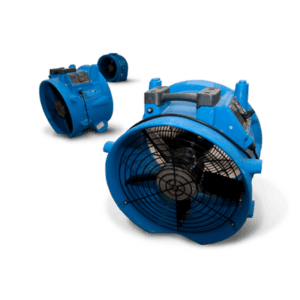
Maintain critical climate control and air quality with our high-capacity heating, cooling, and ventilation units. Engineered to handle large-scale commercial…
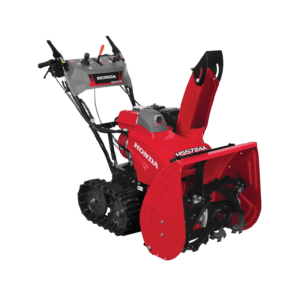
Transform raw land and maintain expansive commercial properties with our high-performance turf and timber management equipment. From heavy-duty brush clearing…
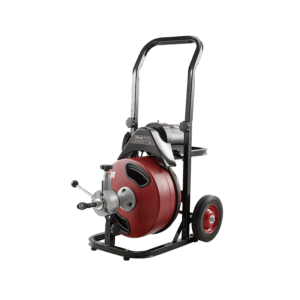
Streamline mechanical and electrical installations with specialized tools for threading, bending, and routing. Our inventory is built to handle heavy-wall…
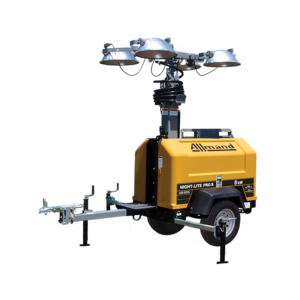
Ensure 24/7 site productivity with dependable power distribution and high-intensity lighting solutions. From towable generators for remote sites to LED…
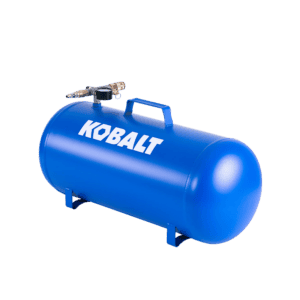
Deploy high-volume fluid management and consistent pneumatic power with our industrial pumps and compressors. Whether you are dewatering a major…
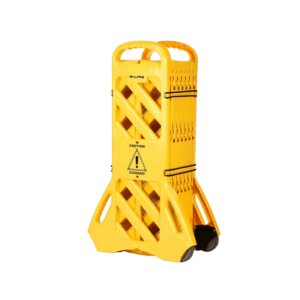
Mitigate jobsite risks and ensure site accessibility with our professional-grade safety and access solutions. This category includes everything from trench…
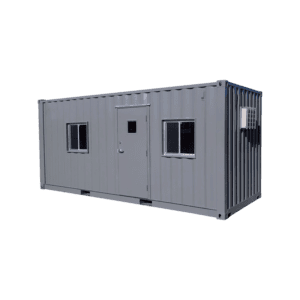
Optimize your logistics and site organization with rugged storage containers and high-capacity hauling solutions. Our weather-resistant containers protect valuable assets…
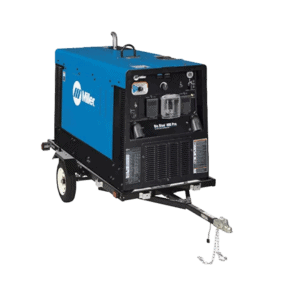
Achieve structural-grade bonds with our versatile fleet of portable and industrial welding units. Designed for precision and durability in the…
The wind in the Columbia River Gorge is not weather. It is geography. The pressure differential between the high desert east of the Cascades and the marine air of the coast funnels through this canyon at sustained velocities that have made it the windsurfing and kiteboarding capital of North America and that shape every construction operation that happens here. Equipment selection, aerial lift operations, roofing, crane work, and any activity involving elevated exposure or light materials requires planning around the wind forecast, not just the temperature. Contractors who arrive in the gorge from calmer construction environments quickly learn what they missed.
The wind is also why renewable energy development has been transforming the rims above Hood River and The Dalles for decades. The gorge wind resource is among the most consistent and powerful in the country, and the utility-scale wind farms that harness it have created a construction and maintenance market unlike anything else in the Northwest. Add the Columbia Gorge National Scenic Area designation that governs what can be built and how, the orchard and winery economy that defines the valley floors, and the tourism infrastructure that Hood River’s outdoor recreation identity has produced, and you have one of the most distinctive construction environments in the Pacific Northwest.
REIC Rentals in Hood River serves the full gorge corridor with a comprehensive equipment catalog tailored to these specific conditions. We have the full REIC Rentals network behind this location for anything beyond our local inventory.
Our Hood River location covers the gorge corridor, including Hood River, Mosier, Rowena, and The Dalles on the Oregon side, and White Salmon, Bingen, and Stevenson on the Washington side via the Hood River Bridge. We serve the Mt. Hood Corridor via Highway 35, including Parkdale, Odell, and the communities below the mountain. For projects on the gorge rims above the river on both the Oregon and Washington sides, we coordinate delivery routes around access roads and seasonal limitations before equipment arrives on site.
The Columbia River Gorge has moisture dynamics that surprise contractors unfamiliar with the corridor. The west end receives substantial rainfall from the Pacific. The east end transitions into high desert. Hood River sits in the transition zone, and the moisture swings between a November storm system driving rain horizontally off the river and the dry summer months when relative humidity drops sharply. Orchard cold storage construction, winery and cidery builds, and hospitality renovation projects all encounter moisture challenges that require mechanical management rather than open-air drying.
We carry industrial dehumidifiers for cold storage and for construction-phase humidity control in food facilities. The specifications for insulated metal panel installation and vapour barrier application in a future cold storage environment require equipment-driven humidity management. Restoration and dryout equipment for moisture intrusion events in the gorge corridor is also available for rapid deployment. Wind-driven rain on both sides of the gorge is severe and penetrates enclosures that would be weathertight in calmer climates. Dehumidification for occupied renovation projects in Hood River’s historic commercial district requires precision equipment and careful deployment planning to avoid damage to adjacent occupied spaces.
The Columbia River Gorge is one of the premier wind energy corridors in North America. The wind farms on both rims represent decades of investment and ongoing construction, maintenance, and expansion work. We provide earthmoving equipment for turbine access road construction and pad preparation on the basalt rim terrain above the river, where the volcanic geology and exposed ridge conditions make this demanding site work requiring equipment sized for the load and the access constraints. Generator sets provide remote construction power on wind farm sites miles from utility service. Aerial access equipment for tower infrastructure and maintenance work is part of our inventory, along with wind speed monitoring and operational thresholds for lifted equipment in the gorge environment, which are standard parts of the pre-delivery conversations our team has with wind energy contractors.
Jet Heat flameless heaters are the heating solution of choice for enclosed construction throughout the gorge corridor. Hood River winters are wet, cold, and wind-driven, making simple temperature readings misleading. A 28-degree day with 35-mph gusts creates heat-loss conditions that require significantly more heating capacity than the thermometer reading suggests. Our equipment is sized for actual gorge conditions, not textbook calculations. Orchard packinghouse construction and winery and cidery buildings in the gorge valley require sustained interior heat from November through March for worker safety, concrete curing temperature maintenance, and protection of finish materials during the wet season. Mt. Hood Corridor construction at Parkdale, Odell, and on the mountain’s western flank involves true alpine winter conditions, and cold-weather concrete curing planning is not optional for any structural pour above the valley floor from October through April. Wind-driven rain also creates moisture intrusion into partially enclosed construction at a frequency that surprises contractors new to the gorge, and the combination of heating and dehumidification is the standard operational response.
Winery and cidery construction in Hood River County has earned the region a reputation as one of the Pacific Northwest’s most productive markets for beverage production. The Hood River Fruit Loop, the east gorge benchland wineries, and the cideries built around the valley’s apple production all require construction support that understands seasonal timing and agricultural-area access constraints. We stock compact earthmoving equipment that navigates terraced benchland rows and operates around irrigation infrastructure and planted vines without damaging the agricultural operation. Generators provide primary power on rural winery and cidery construction sites where agricultural parcels rarely have utility service adequate for construction loads, and the National Scenic Area designation makes utility extension a lengthy permitting process. Aerial access for tasting room construction and multi-story inn and resort renovation is standard rather than exceptional, given the gorge’s hospitality architecture’s tendency toward views and height.
Interstate 84 and the Columbia River Highway maintenance and improvement work involve civil infrastructure equipment at the DOT scale. The gorge corridor’s heavy freight and tourist traffic create ongoing maintenance and improvement needs year-round. Dewatering pumps are used in excavations on the Columbia River benchland and in irrigated orchard areas, where groundwater in the gorge valley is elevated and variable, and foundation and utility excavations frequently encounter it. Bridge and culvert work in the gorge corridor rounds out the civil infrastructure market, with the National Scenic Area’s review requirements affecting scheduling but not the equipment needs. The complete concrete, welding, forklift, and general tool catalog covers every trade working across the full gorge territory.
Call our Hood River team or request a quote online. We serve the full gorge corridor and have the REIC Rentals network behind us for specialty or high-volume needs.
The National Scenic Area designation, the wind, and the narrow construction market niches that define the gorge economy all combine to make owned equipment a poor investment for most contractors working here. The wind limits when aerial equipment can operate, shortening the effective workday and lowering equipment utilization rates compared to calmer markets. The scenic area review process lengthens project timelines and creates uncertainty about start dates, making it risky to own equipment staged for a specific project window. The market itself, divided between tourism, agriculture, renewable energy, and occasional large infrastructure projects, creates equipment needs that shift dramatically from project to project. Renting eliminates these ownership risks. The equipment is available when the permit clears, and the project starts. It is gone when the project ends. And it is selected for the specific project requirements, not inherited from a different project type.
Our Hood River location delivers throughout the Oregon side of the gorge and crosses to the Washington side via the Hood River Bridge. The Dalles is 18 miles east on Interstate 84. Cascade Locks is 20 miles west. For projects on the gorge rims, we coordinate equipment staging and access routing with your site supervisor prior to delivery. Mountain clearances and road weight limits on the rim access roads require planning, and our team handles that planning as standard for every rim delivery.
How do you handle aerial lift work in the gorge wind conditions?
Wind speed is a critical operational parameter for all aerial lift equipment in the Columbia River Gorge, which regularly exceeds safe operating thresholds. Our team discusses wind operational parameters and boom configurations for your specific application before delivery. We do not send aerial equipment to a gorge site without a wind operating plan in place, and our 24/7 support line is available if conditions change after delivery.
Can you support wind farm construction and maintenance on the gorge rims?
Yes. Renewable energy infrastructure construction and maintenance on the gorge rim is a regular project type for our Hood River location. We provide earthmoving equipment for access roads and turbine pads, generator primary power for remote rim sites, and aerial access equipment for tower and infrastructure work. Our team understands the access constraints and wind operating conditions associated with rim work.
What dehumidification equipment do you carry for cold storage construction?
We carry industrial-grade dehumidifiers sized for commercial cold storage and food facility construction applications. These are high-capacity units suited to the humidity requirements of insulated panel installation and refrigeration component commissioning. Call our team to match the equipment to your specific application and enclosure conditions.
Do you serve the Washington side of the gorge?
Yes. White Salmon, Bingen, and Stevenson on the Washington side are within our delivery territory via the Hood River Bridge. Cross-river delivery adds bridge transit time and requires clearance planning for oversized loads. Contact our team for scheduling when your project is across the river.
Can you support winery and cidery construction in Hood River County?
Yes. Winery and cidery construction is a core project type for our Hood River location. We plan around harvest and crush calendar restrictions, provide compact earthmoving for orchard-adjacent sites, generators for rural primary power, heating for barrel room and production facility construction, and aerial access for tasting room and multi-story builds. Our team works the gorge’s winery construction calendar every year.
How does the National Scenic Area designation affect equipment planning?
The Columbia River Gorge Commission review adds a permitting layer to commercial construction, extending timelines beyond what county permits alone require. This creates uncertainty around construction start dates and equipment reservation windows. Our team builds delivery plans that flex around the actual permit clearance rather than committing to rigid delivery dates that a permit delay can disrupt.