

Heating
Description
Keep your project moving through the winter months with our powerful portable heaters and industrial blowers. These units provide the…
24/7 Service & Support Center
Always Available to Serve You Better

"*" indicates required fields
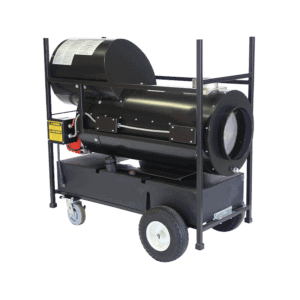
Keep your project moving through the winter months with our powerful portable heaters and industrial blowers. These units provide the…
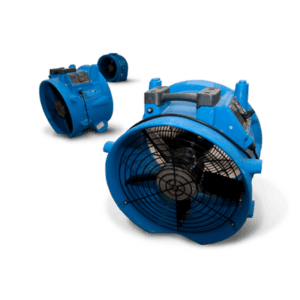
Beat the heat and maintain safe working conditions with our high-capacity portable air conditioners, evaporative coolers, and industrial fans. Ideal…
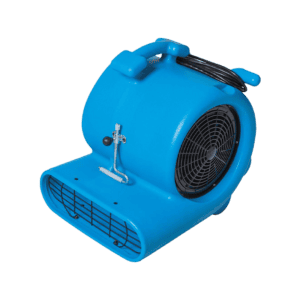
Mitigate water damage and speed up construction timelines with our professional-grade dehumidifiers and high-velocity air movers. Perfect for restoration projects…
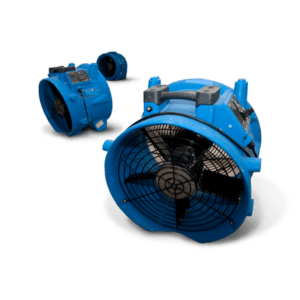
Optimize your climate control systems with our range of HVAC accessories, including ducting, thermostats, and specialized venting tools. These components…
Anzac is 45 kilometres southeast of Fort McMurray, on the doorstep of the Athabasca oil sands deposits. This is not a branch that serves a city; it serves an industrial region. The oil sands operations surrounding Anzac represent one of the largest concentrations of energy extraction and processing infrastructure on the planet, and the construction, maintenance, and operational support work that keeps those operations running generates equipment demand 365 days a year, in conditions that would shut down most construction markets in the country.
REIC Rentals in Anzac serves this corridor with a full equipment catalogue built for heavy industrial demand: skid steers, excavators, aerial lifts, earthmoving equipment, power generation, heating and cooling, trucks, trailers, and the industrial tooling required by oil sands construction and maintenance programs. We deliver directly to active job sites, with 24/7 support for the unplanned situations that industrial operations inevitably generate.
We offer daily, weekly, and monthly rental rates structured around your project timeline. Call our Anzac team or request a quote online. We have the full REIC Rentals network behind this location for anything beyond our local inventory.
Our territory covers the core of the Athabasca oil sands region. North and east to the surface mining operations and SAGD (Steam Assisted Gravity Drainage) facilities that extend from Anzac toward the Saskatchewan border. West and northwest toward Fort McMurray and the major upgrader operations along the highway corridor. South to Lac La Biche at 122 kilometres and Athabasca at 149 kilometres. This is a territory measured in industrial lease sites and well pads, not city blocks, and our delivery logistics operate on resource road networks and seasonal access conditions that do not appear on standard maps.
Open-flame heating equipment has no place in the oil sands. The combination of hydrocarbon-saturated atmospheres, bitumen processing infrastructure, and Alberta’s energy sector regulatory environment makes flameless heating a safety and compliance requirement, not a preference. Our Jet Heat flameless heaters are the correct tool for this environment: no open flame, no combustion byproducts in the heated space, and the output capacity to maintain working and curing temperatures in the extreme cold that defines northern Alberta’s operating calendar. Our Anzac location exists because proximity matters in this region. When equipment is needed on a remote well pad at minus 35 degrees Celsius, the distance between our yard and your site is not a detail; it is the entire point.
Flameless heating on oil field sites covers wellhead enclosures, valve stations, and the process infrastructure that must remain operational through winter temperatures that routinely reach minus 30 degrees Celsius and below. Sustained cold at these levels requires heating equipment designed for continuous operation in extreme conditions, not equipment adapted from warmer-climate construction applications.
Concrete curing in extreme cold is a core capability for foundations, containment structures, and the civil infrastructure that supports oil sands operations. Concrete placement in northern Alberta continues through winter because project timelines do not allow for six months of weather delays, and the heating plans required for winter pours at minus 30 are fundamentally different from those for cold-weather concrete at minus 5.
Jet Heat delivers direct oil production cost savings by consolidating multiple conventional heating units into fewer high-output units, reducing fuel consumption, maintenance touchpoints, and the operational footprint of heating equipment on congested well pads and processing sites.
Oil and gas operations in the Athabasca region include surface mining, in-situ SAGD extraction, bitumen processing, and the gathering and transportation infrastructure that connects production sites to upgraders and pipelines. Each of these operation types creates distinct equipment demands. Surface mining operations require lighting, power, and heating across vast open areas. SAGD facilities require precision climate control for wellhead enclosures and process buildings. Processing plants require turnaround and maintenance support equipment on schedules driven by production optimization, not construction convenience.
REIC Rentals provides turnaround and maintenance support for oil sands processing facilities where scheduled and unscheduled maintenance windows require concentrated equipment deployment on compressed timelines. When a processing facility takes a unit offline for maintenance, the equipment needed to support that work must be on site immediately, not ordered from a distant warehouse.
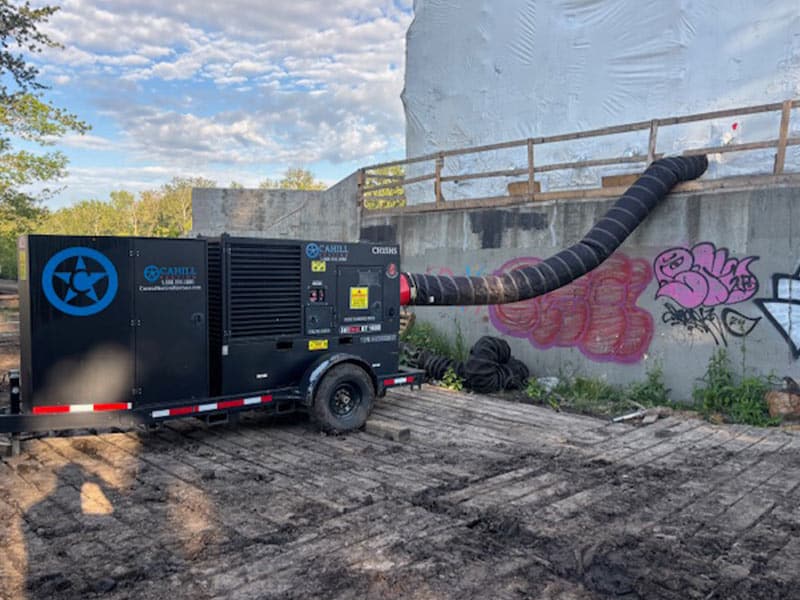
Pipeline and storage tank construction across the oil sands region creates heating demands specific to the coating and curing requirements of pipeline infrastructure. Coating application requires precise temperature and humidity control regardless of ambient conditions. In northern Alberta, that means maintaining coating environments at plus 15 or 20 degrees Celsius when the ambient temperature outside the enclosure is minus 35 degrees Celsius. That temperature differential is the engineering challenge, and our equipment is sized for the actual conditions of this region.
Coating and curing applications for pipeline and tank infrastructure depend on surface temperature control to determine coating adhesion and integrity. Flameless heating eliminates the contamination risk that combustion-based heating introduces into coating environments, making it the standard for quality-critical pipeline and tank work in this region.
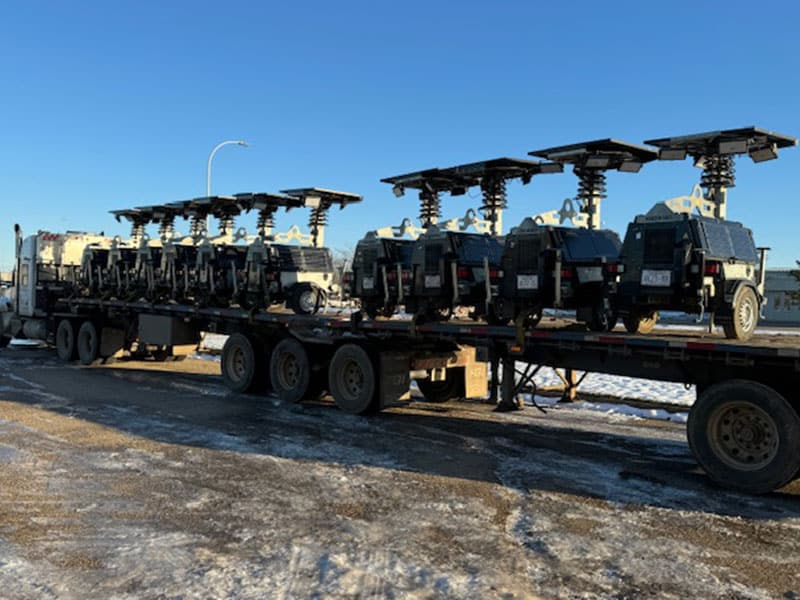
The Athabasca region’s mining operations extend beyond the oil sands surface mines to include broader mineral extraction and processing activities across northern Alberta. Northern Alberta mining projects operate in conditions that test equipment reliability at every level: extreme cold, remote locations, limited road access during spring breakup, and the requirement for self-contained equipment solutions that do not depend on infrastructure that does not exist in the field. REIC Rentals builds its northern Alberta inventory around these requirements, selecting and maintaining equipment for the operational demands of this region rather than the average conditions of a more temperate market.
We provide lighting for 24-hour mining operations where the northern Alberta daylight cycle drops to fewer than eight hours in December and January. Continuous operations require continuous lighting, and every piece of equipment we deploy to these sites must function reliably at temperatures that damage equipment not designed for this environment.
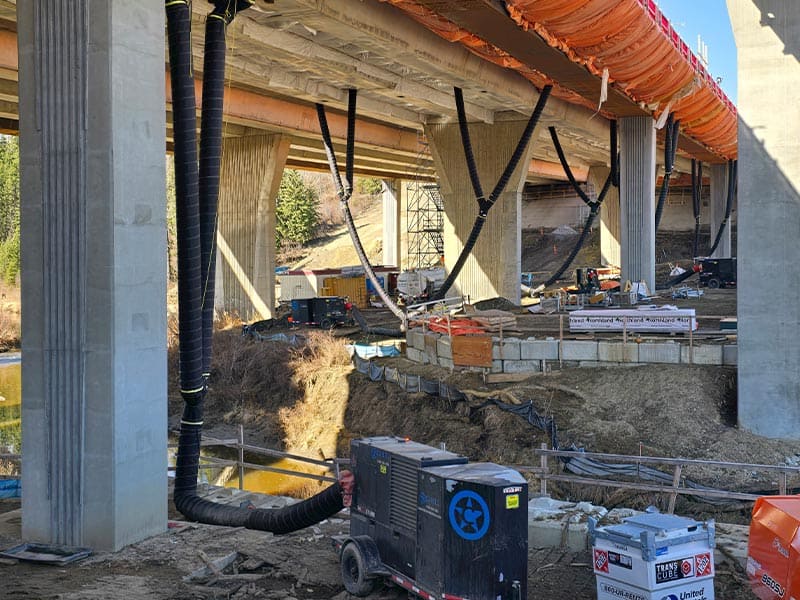
REIC Rentals provides generator power for remote well pads, pipeline construction corridors, and mining operations where grid power is unavailable. These are self-contained power solutions that operate in extreme cold on fuel supplies planned and staged in advance, because in this region, there is no calling the utility company when the power goes out.
We also supply light towers for extended-darkness operations during the northern Alberta winter. At latitude 57 north, the Anzac region experiences fewer than 7 hours of daylight at the winter solstice, meaning every outdoor operation from October through March requires supplemental lighting as a baseline, not an afterthought.
Call our Anzac team or request a quote online. We have the full REIC Rentals network behind this location for anything beyond our local inventory, supported by a team that understands the operational demands of the Athabasca region from the ground up.
Oil sands operations do not have a construction season. They have an operating calendar that runs 365 days a year, and the construction, maintenance, and facility work that supports those operations follows the same schedule. All of our equipment is serviced and maintained to the highest standards to ensure reliability for every job and job site. Equipment that works in this environment must be engineered for it. Our Anzac branch stocks and maintains equipment selected specifically for the conditions of northern Alberta: sustained extreme cold, remote deployment, extended operational cycles, and the safety requirements of working in hydrocarbon-rich environments.
Anzac sits at the southern edge of the Athabasca oil sands core deposits, which makes it the right base for serving the full industrial corridor. The SAGD and surface mining operations extend north and east across an area larger than many provinces’ urban footprints.
Delivery in this region is not a standard logistics exercise. Resource roads, seasonal weight restrictions during spring breakup, and site-specific access requirements for industrial lease operations all factor into how and when equipment moves. Our team plans around those constraints as a matter of course, coordinating delivery timing, staging equipment ahead of access restrictions where necessary, and communicating proactively when conditions affect the schedule. Equipment arrives on site ready to work because the delivery plan accounts for the actual conditions between our yard and your project.
Why is flameless heating required for oil sands operations?
Hydrocarbon-saturated atmospheres and the regulatory requirements of Alberta’s energy sector make open-flame heating a safety and compliance risk on oil sands sites. Our Jet Heat flameless heaters operate without combustion in the heated space, eliminating ignition risk, combustion byproducts, and the need for a fire watch. In an environment where the air itself can contain hydrocarbon vapours, flameless heating is not a feature; it is the minimum standard.
How do your heaters perform at temperatures below -35 degrees Celsius?
Our Jet Heat units are designed for sustained operation in extreme cold. The output capacity is sized for the temperature differentials that northern Alberta imposes: maintaining plus 15 or 20 degrees Celsius inside an enclosure when the ambient temperature outside is minus 35 or 40 degrees Celsius. Our team sizes equipment to the actual expected low temperatures for your project window, not to a generic cold-weather specification.
Can you deploy equipment to remote well pads and SAGD sites?
Yes. Remote deployment is our operating model in Anzac. We stage and deliver equipment to well pads, SAGD facilities, and pipeline construction corridors across the oil sands region. For remote sites with seasonal access constraints, we coordinate delivery logistics around road conditions and, where necessary, plan equipment staging before spring breakup restricts road access. Our location in Anzac serves as the base for these operations.
Do you support pipeline coating projects in winter?
Yes. Pipeline coating and curing in northern Alberta require precise temperature and humidity control within the coating enclosure, regardless of ambient conditions. Our flameless heaters provide the heat output needed to maintain coating application temperatures at the required specification for adhesion, and flameless operation eliminates the contamination combustion-based heating introduces into the coating environment.
What is your response time for emergency equipment needs in the oil sands?
Because our branch is in Anzac, at the centre of the oil sands region, response times for emergency equipment deployment are measured in hours, not days. For planned maintenance and turnaround windows, we coordinate equipment staging in advance so it is on site before work begins. For unplanned needs, our proximity to the operations we serve allows a rapid response that a distant location cannot match.
Do you offer equipment for cooling and drying applications, including emergency response?
Yes. Our cooling and drying fleet supports both planned and emergency applications across oil sands and industrial sites. Cooling for process buildings, control rooms, and occupied facilities during summer operations. Drying for water intrusion events, post-hydrostatic testing, and moisture-sensitive construction phases where humidity control is a quality requirement, not a comfort consideration. Our team sizes equipment to the application, not to a generic specification, and deploys on the same timeline we apply to any other critical equipment need in this region.