Service you trust. Equipment you need.

Yakima

Yakima, Washington

Yakima

Address

1508 S 1St St #3544
Yakima, WA, 98901

Hours

Monday  7:30am–5pm
Tuesday  7:30am–5pm
Wednesday  7:30am–5pm
Thursday  7:30am–5pm
Friday  7:30am–6pm

Saturday  Closed
Sunday  Closed

Ask Us About Our 24/7 Service Support

Static Location Map for Yakima

In-Store Rental Inquiries

"*" indicates required fields

This field is for validation purposes and should be left unchanged.
Name*
This field is hidden when viewing the form
Terms and Conditions*

Top Rentals

Browse equipment at this location

Equipment Rentals in Yakima, Washington | Serving the Yakima Valley & Central Washington Agriculture

The Yakima Valley feeds people. It is one of the top agricultural-producing regions in North America, and that fact shapes the construction market here. Fruit packing houses need cold storage expansions before harvest. Hop processing facilities need upgrades between growing seasons. Wineries and cideries build tasting rooms while pruning the vines. Irrigation districts replace infrastructure that was installed decades ago. Every project in this valley aligns with an agricultural calendar that does not compromise on construction timelines. 

REIC Rentals in Yakima is built for this market. We serve contractors across the valley from Naches to Prosser with construction equipment, climate control, power, and specialty tools that perform in a climate defined by extremes: below zero in January, above 105 degrees Fahrenheit in July, and a swing between those poles that puts unique stress on both equipment and the people operating it. When weather shifts threaten manufacturing and processing operations, our team understands the urgency because we know the industries driving construction here and the seasonal pressures behind the deadlines. 

We have the full REIC Rentals network behind this location for anything beyond our local inventory.

Equipment Built for Valley Conditions

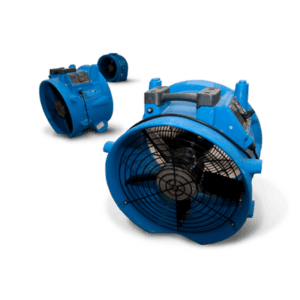
This is the equipment category that defines summer construction in the valley. When ambient temperatures exceed 100 degrees Fahrenheit for days at a stretch, worker safety regulations require active cooling in enclosed spaces, and construction materials such as adhesives, sealants, and coatings fail outside their specified temperature ranges. Cold storage and food processing facility construction requires temporary cooling during the build phase to test refrigeration zones, simulate operating conditions, and protect temperature-sensitive materials during installation. We provide cooling capacity sized for these applications. Ventilation in agricultural processing facilities is also a construction-phase requirement: dust from construction combined with residual organic material from expansion and renovation projects creates air-quality challenges that require active mechanical ventilation throughout the build.

Heating and Winter Construction Support

Valley winters bring sustained freezing temperatures, fog, and occasional heavy snow that can shut outdoor operations down for days. Our Jet Heat flameless heaters deliver the clean, breathable air that enclosed food processing and agricultural facility construction demands, with no open flame, no combustion byproducts, and no fire watch requirements. Food processing facilities often cannot suspend operations during construction, and heating adjacent workspaces while maintaining safe temperatures in active processing areas requires equipment deployment and operational coordination that our team builds into the project plan. Frost protection for freshly poured concrete in the valley requires sustained heating that accounts for the region’s temperature inversions, where cold air pools on the valley floor and ground temperatures remain colder than air temperatures suggest.

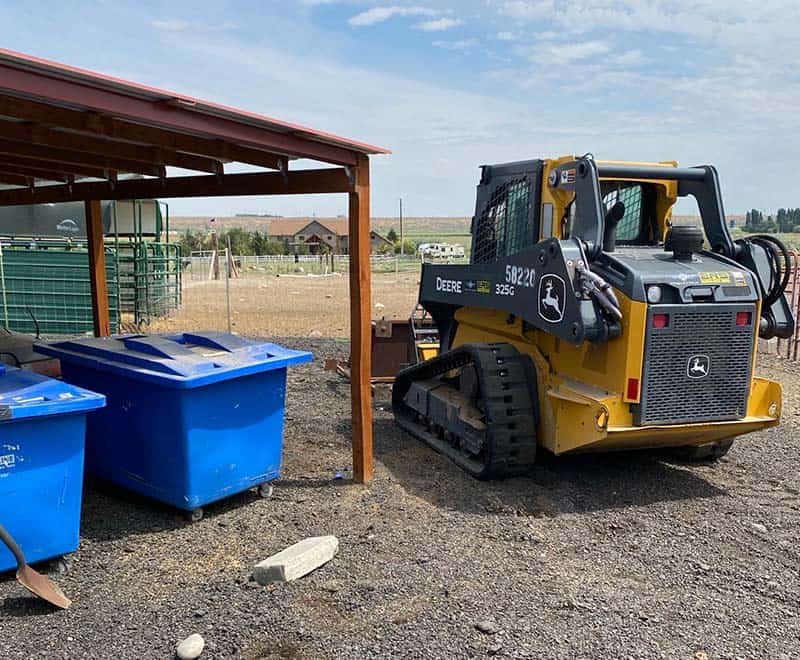
John Deere compact track loader at Yakima rental property.

Dehumidification

The Yakima Valley is arid most of the year, but during irrigation season, humidity spikes, and the moisture generated by concrete curing, wet trades, and processing facility washdowns creates interior moisture challenges that are easy to underestimate. Food processing and cold storage construction have strict humidity specifications during the installation of insulated panels, vapor barriers, and refrigeration components, and our team understands the tolerances these installations require.

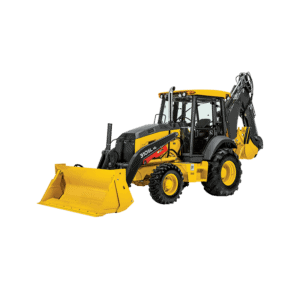
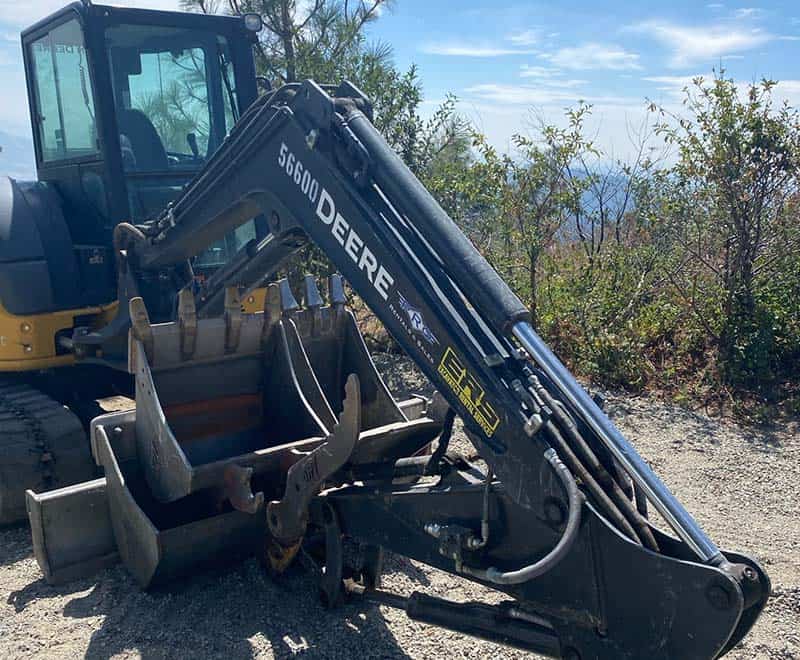
John Deere backhoe loader on a construction site in Yakima.

Earthmoving and Site Prep

Valley soils are predominantly volcanic ash and alluvial deposits that compact differently than the glacial soils common in western Washington, and our compaction equipment is configured for these conditions. Food processing and cold storage facility construction involves large-footprint site preparation, deep utility trenching for water, sewer, and process lines, and significant grading for drainage management. Irrigation infrastructure replacement involves trenching, pipe installation, and canal bank stabilization across agricultural land that may be actively growing between construction zones. Our compact equipment works in the tight corridors between orchards and vineyards where full-size machines cannot operate.

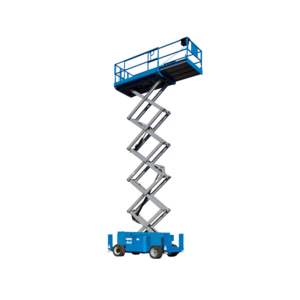
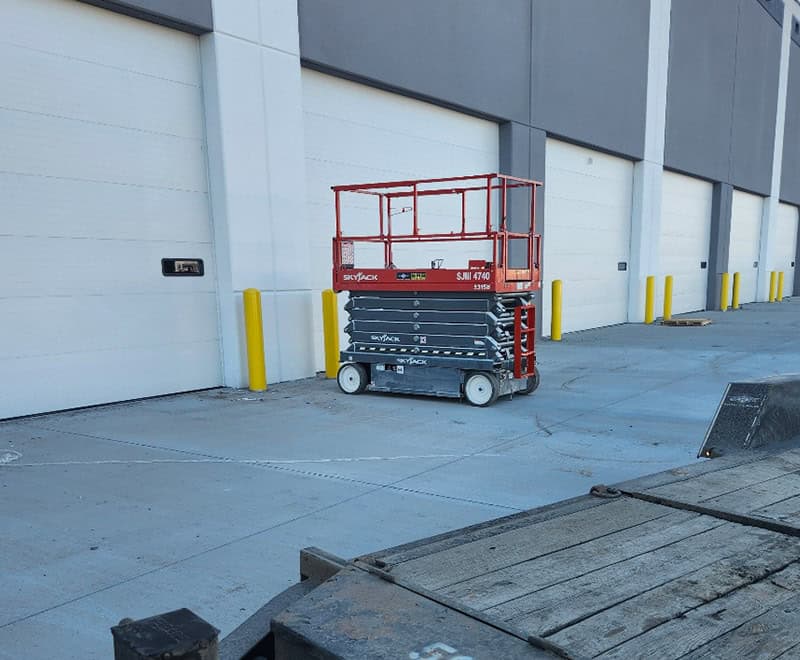
Scissor lift parked outside warehouse in Yakima for storage or maintenance.

Power and Lighting

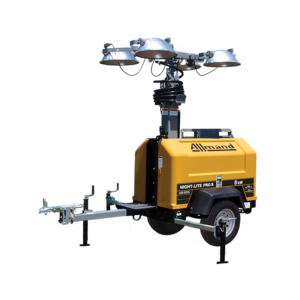
Agricultural and food processing construction sites are frequently located on rural parcels where utility service is distant or undersized for construction loads. Generators are the primary power on many valley job sites, not just backup. Harvest-season construction deadlines mean extended work hours from August through October, and temporary lighting supports the 12- and 14-hour days that contractors run to meet pre-harvest completion dates on packing house and cold storage projects.

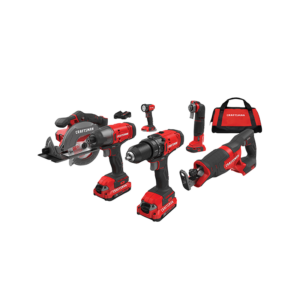
Pumps, Concrete, Welding, Aerial Access, and General Tools

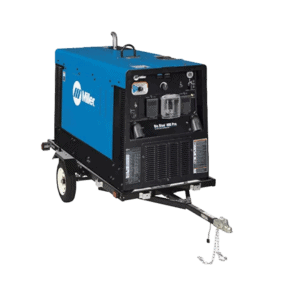
The Yakima Valley’s irrigation canal system creates unique dewatering challenges on construction sites. Excavations near canals encounter seepage that requires continuous pumping, and the water table in irrigated areas sits higher than the surrounding terrain suggests. We carry dewatering pumps sized for continuous-duty canal-adjacent excavation. Industrial-scale concrete work for processing facility floors, loading docks, and cold storage slabs involves heavy-duty pours with reinforcement, vapor barriers, and surface tolerances that exceed standard commercial flatwork. Welding units support structural steel erection on processing facilities, hop kilns, and tank fabrication. Aerial platforms serve facility interior work, including insulated metal panel installation, refrigeration piping, and electrical runs at height. Forklifts and telehandlers handle material staging and high-capacity lifting on large construction sites for processing facilities. The complete range of hand and power tools covers every trade working across the valley. 

Call our Yakima team or request a quote online. We have the full REIC Rentals network behind this location for anything beyond our local inventory.

Why the Valley's Construction Market Favors Renting

Agricultural construction is cyclical in a way that no other market is. Packing house work happens before harvest. Cold storage expansion happens between apple seasons. Winery construction happens between crush and bottling. These are not flexible timelines; they are biological deadlines set by plants, not project managers. Contractors need to ramp up equipment quickly, work intensively for a defined window, and then release it as project windows close. Owning equipment that sits idle for months between agricultural construction windows is a capital cost that renting eliminates. 

The valley’s temperature extremes also increase equipment maintenance costs. Machines that operate at 105 degrees Fahrenheit in July and well below zero in January experience accelerated wear on hydraulic systems, seals, batteries, and tires. Rental equipment is maintained on schedules designed for these conditions. The diversity of agricultural construction, from small winery tasting rooms to 200,000-square-foot cold storage facilities, also means equipment needs shift dramatically from project to project. Renting lets a contractor match the right equipment to each job without carrying three different equipment packages year-round.

How We Get Equipment to Yakima Valley Job Sites

Yakima Valley construction sites are spread across 70 miles of the valley floor, from Naches west of town to Prosser in the southeast. Processing facilities and cold storage sites are often located on rural parcels accessible by farm roads. Vineyard and orchard projects may require delivery through active growing areas with clearance restrictions. Irrigation district work happens in canal corridors with limited vehicle access. Our delivery team knows the valley’s road network, the seasonal conditions that affect access, and the weight and clearance limitations of rural delivery. We coordinate delivery timing with agricultural operations when necessary, scheduling equipment deliveries and pickups to avoid disrupting ongoing agricultural work alongside construction. That coordination is part of working in this valley, and our team does it as standard practice.

Frequently Asked Questions

Can you support the construction of hyperscale data centers? 

Yes. Central Washington has become a major destination for hyperscale data center investment. We provide large-scale earthmoving for site preparation, high-capacity temporary power, climate control for critical-environment construction, and specialty tools. Our team understands the scale, the scheduling precision, and the logistics coordination these projects demand. 

Do you serve Spokane from Moses Lake? 

Yes. We deliver to Spokane and surrounding communities on regularly scheduled routes and support the region’s commercial, residential, institutional, and industrial construction markets. Contact our team early in your planning process to confirm delivery scheduling. 

Can you support renewable energy construction? 

Yes. Central Washington is an active renewable energy construction market with solar installations and energy infrastructure projects across the basin. We provide the earthmoving, power, lighting, and specialty equipment these large-footprint, remote-site projects require. 

What happens if equipment breaks down on a remote site? 

Call our 24/7 support line. Central Washington job sites can be spread across significant distances, and our response planning is built around getting you back on track without delay. We dispatch replacement equipment or service technicians with drive times and logistics already factored into the response plan. 

How does the climate affect equipment performance here? 

Central Washington’s temperature extremes are among the most demanding in Washington state. Our equipment is selected and maintained with cold-weather starting systems, high-temperature hydraulic fluids, and maintenance intervals designed for the thermal cycling that machines experience operating year-round in this climate. 

Can you handle large or multi-phase projects? 

Yes. Our Moses Lake location has access to the full REIC Rentals network. For campus-scale data center builds, multi-phase renewable energy projects, or large agricultural infrastructure programs, we coordinate fleet depth and delivery logistics across extended timelines. Engage our team early, and we will build a supply plan that scales with your project.

REIC Rentals Safety

What are you looking for today?