
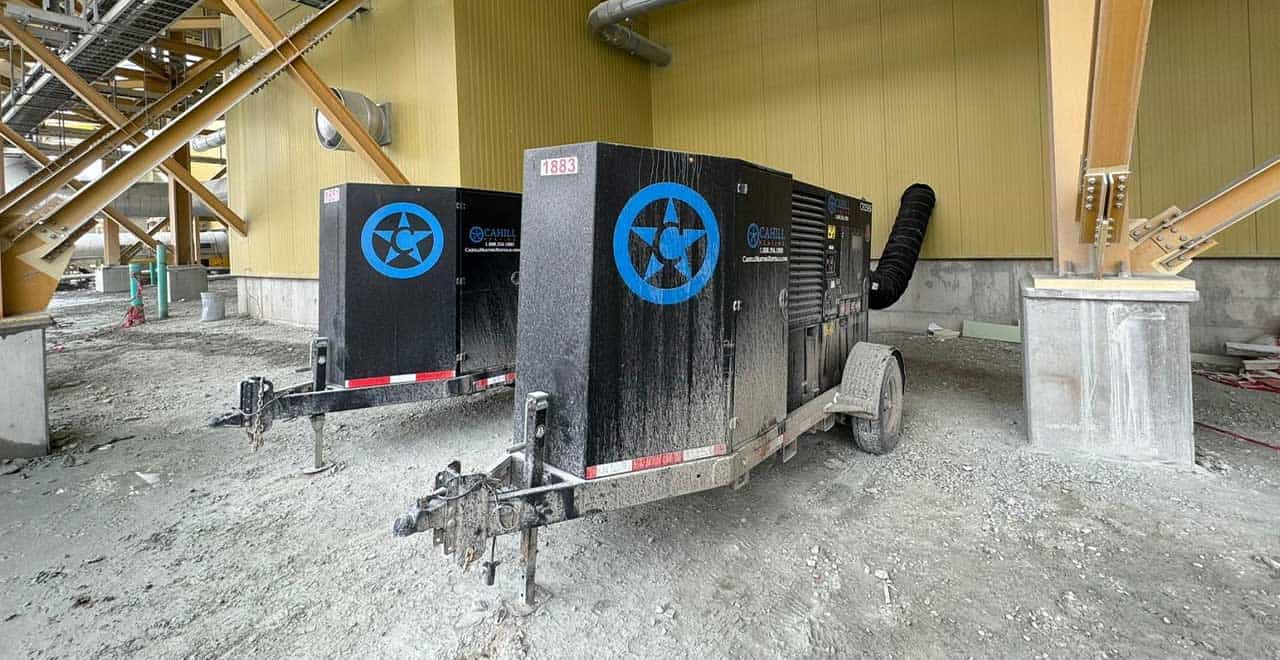
Protecting Commercial Construction Quality Through Environmental Control
Rework is one of the most expensive and disruptive challenges in commercial construction. When materials fail, finishes don’t cure correctly, or moisture lingers longer than expected, contractors are forced to redo completed work—wasting labor, extending schedules, and increasing project costs.
Many of these issues trace back to one overlooked factor: environmental conditions.
Temperature, humidity, and drying timelines have a direct impact on how construction materials perform. Without proper heat and drying support, even high-quality workmanship can be compromised by cold weather, excess moisture, or unstable indoor environments.
At REIC Rentals, we help commercial construction teams protect productivity and quality with dependable temporary heating, drying, and climate control solutions designed for demanding job sites. When environmental control is planned correctly, contractors can reduce rework, maintain momentum, and deliver better outcomes.
This article explores how proper heat and drying prevent costly setbacks and why moisture and temperature management should be part of every commercial project strategy.
Why Rework Is So Costly in Commercial Construction
Commercial construction schedules are tightly coordinated. Multiple trades work in sequence, and a single delay can ripple across the entire job.
Rework leads to:
- Lost labor hours
- Material replacement costs
- Inspection failures
- Schedule compression and overtime
- Disruption between trades
- Reduced client confidence
In many cases, rework isn’t caused by poor installation—it’s caused by conditions that prevent materials from curing, bonding, or drying properly.
That’s why environmental stability is essential for protecting completed work.
The Hidden Role of Temperature and Moisture
Construction materials are engineered to perform within specific temperature and humidity ranges. When conditions fall outside those thresholds, problems begin.
Common environmental challenges include:
- Cold-weather slowdowns
- High humidity in enclosed spaces
- Water intrusion during renovation
- Inadequate ventilation for drying
- Seasonal temperature swings
Without proper heat and drying, contractors risk installing materials in unstable conditions—leading to failures that require removal and replacement.
How Proper Heat Prevents Material Failure
Temporary heat does more than keep crews comfortable. It creates consistent conditions that allow materials to cure and perform as designed.
Supporting Concrete and Masonry Work
Cold temperatures slow hydration and curing in concrete. Without adequate heat, contractors may face:
- Weak early strength development
- Surface scaling or cracking
- Extended curing timelines
- Delays in subsequent trades
Temporary heating helps maintain the stable environment required for concrete pours, slab work, and masonry installation.
Protecting Interior Buildouts in Winter Conditions
Commercial interiors often require temperature control for:
- Drywall finishing
- Painting and coatings
- Flooring installation
- Adhesive bonding
If indoor temperatures drop too low, curing times extend and finish quality suffers.
Consistent heat ensures materials set properly and trades can stay on schedule.
Preventing Freeze Damage During Mechanical Shutdowns
Renovations frequently involve HVAC outages or boiler replacements. Without temporary heat, cold exposure can lead to:
- Frozen pipes
- Material damage
- Occupant disruption in active buildings
Temporary heating solutions protect both construction progress and facility continuity.
Why Drying Matters as Much as Heating
Heat alone is not enough. Moisture must be removed efficiently to prevent long-term damage and finish failures.
Proper drying is essential for managing:
- Humidity buildup
- Water vapor released during curing
- Restoration after leaks or flooding
- Enclosed environments with limited airflow
Drying equipment helps contractors control moisture before it becomes a costly problem.
How Moisture Causes Rework Across Commercial Projects
Moisture-related failures are among the most common sources of rework in commercial construction.
Flooring Failures
Excess moisture in slabs or ambient humidity can result in:
- Vinyl lifting
- Adhesive breakdown
- Hardwood warping
- Tile installation issues
Many flooring systems require strict moisture readings before installation. Drying support helps contractors meet those requirements and avoid replacement work.
Paint and Coating Defects
High humidity slows drying and can cause:
- Blistering
- Peeling
- Uneven finish appearance
- Poor adhesion
Proper drying conditions improve coating performance and reduce the risk of reapplication.
Drywall and Finish Delays
Drywall mud, joint compound, and interior finishes require controlled drying. Without it, contractors face:
- Extended cure times
- Cracking or shrinking
- Mold risk in damp environments
Drying systems accelerate finish schedules while protecting quality.
Mold and Restoration Concerns
Water intrusion events can quickly create microbial risk. If drying is delayed, contractors may face:
- Mold remediation requirements
- Material removal
- Extended project shutdowns
Rapid drying prevents escalation and protects the building envelope.
Equipment Solutions That Reduce Rework
Commercial contractors can minimize rework by integrating the right environmental equipment early.
REIC Rentals supports demanding job sites with high-performance solutions, including:
Temporary Heating Systems
Designed for cold-weather construction, interior buildouts, and emergency heating needs.
Dehumidification Units
Critical for moisture control during flooring, painting, restoration, and enclosed interior work.
Air Movement and Ventilation
Airflow supports drying efficiency and prevents moisture pockets from lingering behind walls or in confined areas.
Integrated Drying Packages
Large commercial projects often require coordinated systems that combine heat, dehumidification, and ventilation to stabilize conditions across wide footprints.
The right equipment package ensures materials perform correctly the first time.
Best Practices for Preventing Rework Through Environmental Planning
Reducing rework begins with proactive job site planning, not reactive fixes.
Contractors can protect quality by:
- Monitoring temperature and humidity daily
- Planning temporary heat before winter conditions arrive
- Drying slabs and interiors before finish installation
- Sealing work zones to improve drying efficiency
- Coordinating environmental needs across trades
- Addressing water intrusion immediately
Environmental control should be treated as part of the construction process, not an add-on.
Where Heat and Drying Make the Biggest Impact
Proper heat and drying are especially valuable in commercial environments such as:
- Retail renovations with strict reopen deadlines
- Healthcare projects requiring stable indoor conditions
- Data centers with sensitive equipment
- Hospitality upgrades in occupied facilities
- Government buildings that must remain operational
- Industrial construction where downtime is costly
In these settings, rework is not just expensive—it can disrupt critical operations.
Building Quality and Momentum with the Right Support
Commercial construction depends on precision, disciplined scheduling, and consistent execution. When temperature and moisture levels are left unmanaged, projects can quickly face avoidable rework, schedule setbacks, and increased costs.
Proper heat and drying strategies safeguard material performance, preserve finish quality, support smooth trade sequencing, improve inspection readiness, and protect overall project profitability. By stabilizing environmental conditions, contractors can complete work correctly the first time and maintain steady progress across every phase.
REIC Rentals supports commercial teams with dependable heating, drying, and climate control solutions backed by responsive service and job site expertise. Contact our team to ensure your project has the environmental support needed to stay productive and on schedule.
Service You Trust. Equipment You Need.
