
A Commercial Construction Guide to Smarter Winter Operations
Winter puts commercial construction budgets under immediate pressure. Fuel consumption rises, equipment runs longer, and shorter daylight hours demand extended lighting schedules. When projects operate through cold, dark months, lighting becomes one of the most consistent—and expensive—site requirements.
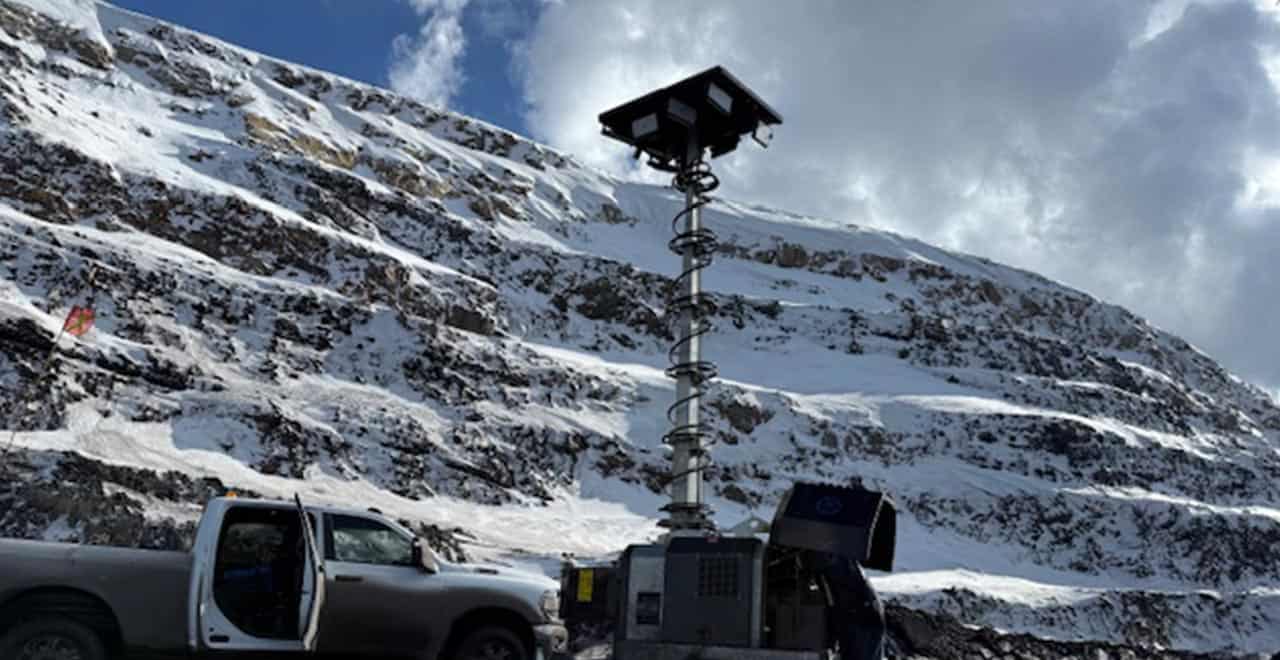
Hybrid light towers are changing how contractors manage winter operations. By combining traditional engine-driven systems with battery storage and energy-efficient lighting, hybrid towers dramatically reduce fuel use while still delivering reliable illumination. For commercial construction teams focused on cost control, sustainability, and uptime, hybrid lighting has quickly become a practical advantage rather than a future concept.
REIC Rentals supports commercial contractors with job-ready hybrid light towers designed to perform in winter conditions. These solutions help teams maintain visibility, reduce operating costs, and keep projects moving efficiently—even when daylight is limited and fuel prices climb.
Why Winter Lighting Costs Escalate So Quickly
Lighting demands don’t disappear in winter—they multiply. As daylight hours shrink, projects rely more heavily on artificial lighting to maintain safe, productive work zones.
Winter increases lighting costs due to:
- Longer nightly run times
- Higher fuel consumption from cold starts and idling
- Increased maintenance from continuous engine operation
- Noise restrictions limiting generator placement
On large commercial projects, lighting can account for a significant portion of daily fuel use. Without a smarter approach, those costs compound over weeks and months.
What Makes Hybrid Light Towers Different
Hybrid light towers combine multiple power sources into one integrated system. Typically, they use a diesel engine paired with battery storage and high-efficiency LED fixtures. Instead of running continuously, the engine charges the batteries only when needed.
This design allows the tower to:
- Operate silently on battery power for extended periods
- Run the engine intermittently rather than nonstop
- Deliver consistent illumination with far less fuel
For commercial construction sites operating long hours in winter, this translates into immediate and measurable savings.
Fuel Savings That Show Up Fast
The most compelling benefit of hybrid light towers is reduced fuel consumption. Traditional light towers often run all night—even when full engine output isn’t necessary. Hybrid systems dramatically change that equation.
Key fuel-saving advantages include:
- Reduced engine runtime
- Lower idle time
- Fewer refueling cycles
On multi-tower sites, the difference can be substantial. Contractors often see fuel savings accumulate within the first few weeks of winter operations, making hybrids one of the fastest ways to control seasonal costs without reducing productivity.
Consistent Lighting Without Continuous Engine Noise
Noise restrictions are common on commercial construction projects, especially in urban areas, mixed-use developments, or sites near occupied buildings. Traditional light towers can limit where and how lighting is deployed.
Hybrid towers offer:
- Silent operation during battery-powered cycles
- Reduced engine noise overall
- Greater flexibility in placement near sensitive areas
This allows contractors to maintain safe illumination while minimizing disruptions to surrounding properties and occupants—an increasingly important factor on modern commercial jobsites.
Reliability During Long Winter Shifts
Winter schedules often require extended or staggered shifts to compensate for weather delays. Lighting systems must perform reliably through cold nights, snow events, and fluctuating conditions.
Hybrid light towers are built for:
- Cold-weather operation
- Continuous illumination even during battery cycles
- Reduced mechanical stress due to shorter engine run times
By minimizing wear and tear, hybrid systems often experience fewer interruptions—keeping crews productive and reducing downtime caused by maintenance issues.
Supporting Safety When Conditions Are Toughest
Winter jobsite safety depends heavily on visibility. Snow, ice, and low-angle winter sun create hazards that are harder to spot without proper lighting.
Hybrid light towers support safer worksites by:
- Delivering consistent, high-quality LED illumination
- Eliminating dark zones caused by refueling or shutdowns
- Improving visibility during early mornings and late evenings
Better lighting directly supports safer movement, clearer communication, and more efficient work—especially during critical winter phases.
Flexibility for Changing Jobsite Needs
Commercial construction sites rarely stay static. As buildings rise and work zones shift, lighting requirements change quickly.
Hybrid light towers offer:
- Easy relocation without frequent refueling
- Flexible placement due to quieter operation
- Adaptability for phased construction schedules
This flexibility allows contractors to redeploy lighting as scopes evolve—without increasing logistical complexity or fuel costs.
Environmental Benefits That Align With Project Goals
Sustainability is no longer optional on many commercial projects. Owners, municipalities, and developers increasingly expect contractors to demonstrate responsible resource use.
Hybrid light towers help support those goals by:
- Reducing fuel consumption and emissions
- Lowering carbon footprint during extended winter use
- Supporting ESG and sustainability reporting requirements
For contractors bidding on environmentally conscious projects, hybrid lighting can be a practical way to align operations with broader expectations—without sacrificing performance.
Reducing Maintenance and Service Interruptions
Traditional light towers running continuously require frequent service—oil changes, filter replacements, and mechanical checks. In winter, accessing equipment for maintenance can be slow and disruptive.
Hybrid systems reduce maintenance demands by:
- Running engines for fewer hours
- Decreasing overall mechanical wear
- Extending service intervals
This means fewer interruptions during critical winter work and less time spent managing support tasks instead of building.
Ideal Applications for Hybrid Light Towers in Winter
Hybrid light towers are especially effective on commercial construction sites that include:
- Large building footprints with extended schedules
- Urban or mixed-use developments
- Projects with night or early-morning shifts
- Cold-weather operations requiring continuous lighting
They are commonly used for site access roads, material staging areas, crane operations, and perimeter lighting—anywhere consistent illumination is required for safety and productivity.
Environmental Benefits That Align With Project Goals
Sustainability is no longer optional on many commercial projects. Owners, municipalities, and developers increasingly expect contractors to demonstrate responsible resource use.
Hybrid light towers help support those goals by:
- Reducing fuel consumption and emissions
- Lowering carbon footprint during extended winter use
- Supporting ESG and sustainability reporting requirements
For contractors bidding on environmentally conscious projects, hybrid lighting can be a practical way to align operations with broader expectations—without sacrificing performance.
Reducing Maintenance and Service Interruptions
Traditional light towers running continuously require frequent service—oil changes, filter replacements, and mechanical checks. In winter, accessing equipment for maintenance can be slow and disruptive.
Hybrid systems reduce maintenance demands by:
- Running engines for fewer hours
- Decreasing overall mechanical wear
- Extending service intervals
This means fewer interruptions during critical winter work and less time spent managing support tasks instead of building.
Ideal Applications for Hybrid Light Towers in Winter
Hybrid light towers are especially effective on commercial construction sites that include:
- Large building footprints with extended schedules
- Urban or mixed-use developments
- Projects with night or early-morning shifts
- Cold-weather operations requiring continuous lighting
They are commonly used for site access roads, material staging areas, crane operations, and perimeter lighting—anywhere consistent illumination is required for safety and productivity.
