
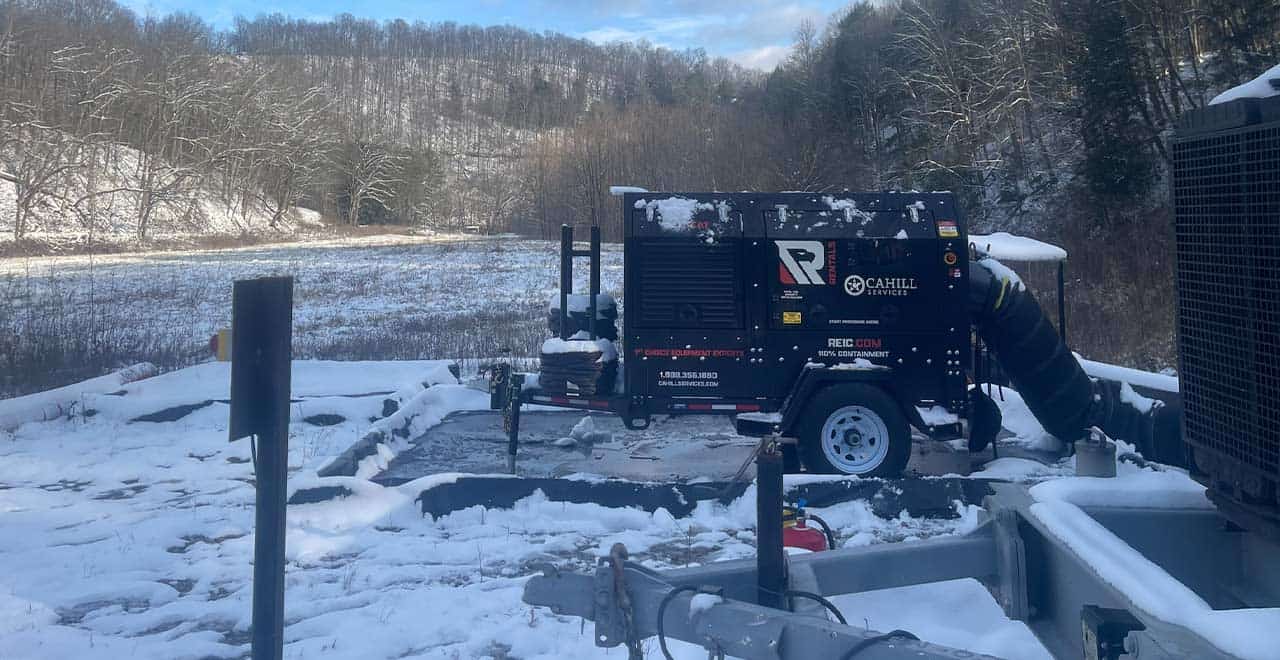
On many construction projects, temporary heat is supplied by deploying multiple smaller heaters throughout the site. At first glance, this seems practical—spread out the units, improve coverage. But as project managers know, the reality is far more costly. Multi-unit heating setups come with hidden expenses that extend well beyond the rental line item.
Excessive fuel consumption, increased maintenance demands, and safety risks associated with equipment congestion can quickly escalate operational costs. What appears to be a straightforward heating strategy often becomes an inefficient and difficult-to-manage system. High-output flameless heaters from REIC Rentals offer a smarter alternative. A single unit can deliver the same heating power as up to eight conventional heaters, immediately simplifying operations. By reducing the equipment count, these heaters lower fuel usage, minimize site clutter, and eliminate many safety hazards associated with multiple open-flame devices. The result is substantial cost savings and a more streamlined workflow for any project requiring distributed heat.
The True Cost of Multi-Unit Heating Systems
Multi-unit heating systems generate expenses that reach far beyond the visible equipment rental rates. Recognizing these hidden costs is essential for accurate budgeting and developing an effective temporary heating strategy.
Equipment and Logistics Costs
The most obvious expenses come from equipment rental and the logistics required to support multiple units. These include:
- Renting several heaters
- Increased delivery and setup complexity
- Positioning equipment with cranes or forklifts
- Additional fuel lines, connections, and refueling access points
As project size increases, these costs compound. Large construction sites that rely on numerous small heaters often incur significant weekly equipment expenses before fuel costs are even factored in.
Fuel Consumption: The Largest Hidden Cost
Fuel is typically the single biggest expense in temporary heating operations—and multi-unit systems magnify this cost dramatically. Factors contributing to excessive fuel use include:
- Inefficient combustion: Conventional heaters operate far below the fuel efficiency of flameless units, which can reach up to 97% efficiency.
- Cumulative consumption: Multiple small heaters burn far more fuel collectively than a single high-output unit.
- Continuous operation: Units often run nonstop to maintain temperature, wasting fuel during periods of low demand.
- Cold-start penalties: Frequent startups in harsh weather drive fuel consumption even higher.
On one major construction project REIC Rentals supported, a multi-unit setup consumed thousands of gallons of fuel per week. Transitioning to a streamlined system using fewer high-output, flameless heaters resulted in a dramatic reduction of fuel usage, saving the client thousands of dollars weekly.
Site Safety and Coordination Costs
Beyond fuel and equipment expenses, multi-unit heating systems introduce operational challenges that affect overall safety and productivity. These include:
- Equipment clutter and congested work areas
- Crane and lifting conflicts
- Reduced visibility and worker navigation difficulties
- Restricted emergency access routes
- Additional coordination and oversight requirements
These disruptions contribute to productivity losses that can delay schedules and significantly impact project budgets.
Single High-Output Heaters: A Strategic Alternative
A modern heating approach can fundamentally change project economics. High-output, single-unit heaters deliver equal or superior performance compared to multi-unit setups—while eliminating the complexity, logistical demands, and hidden costs associated with traditional systems.
The One-for-Eight Replacement Strategy
To illustrate the impact, consider one of REIC Rentals’ flameless heaters. With a 1.4 million BTU output and 20 inches of static pressure, a single unit can replace multiple conventional heaters. Here’s how:
- Heat Output Equivalency: One high-output flameless heater delivers the same heating power as several traditional units.
- Extended Reach: With 20 inches of static pressure, heat can be delivered up to 500 feet through flexible ducting.
- Split-Stream Distribution: A single heater can serve multiple areas at once using branched ductwork.
- Vertical Capability: Ideal for multi-story buildings and elevated work platforms, providing consistent heat across complex structures.
This consolidation immediately reduces equipment rental costs, simplifies logistics, and enhances overall site safety.
A Fuel Efficiency Revolution
REIC Rentals’ patented micro-turbine technology delivers up to 97% fuel efficiency—nearly double that of conventional heating systems. Here’s what that means for project costs:
- Micro-Turbine Combustion: Advanced combustion technology burns fuel with natural gas–like efficiency, minimizing waste.
- Optimized Air-Fuel Mixing: Precision vaporization and mixing ensure complete combustion.
- Heat Recovery Systems: Exhaust heat is recaptured to maximize total energy output.
- Intelligent Modulation: Automated adjustments match heat output to real-time demand, reducing unnecessary fuel burn.
For projects running heaters around the clock, these innovations translate to significant weekly fuel savings, often amounting to thousands of dollars.
Case Study: Texas Multi-Building Construction Project
A large-scale construction project in Texas showcases how REIC Rentals’ single high-output heaters can significantly enhance project economics and operational efficiency.
The project required year-round climate control across multiple buildings—each with extensive interior woodwork, strict temperature requirements, and demanding performance specifications after challenges experienced with a prior contractor.
The earlier heating strategy caused numerous operational setbacks, including equipment overload, inconsistent temperature control, frequent service issues, site congestion, and rapidly escalating fuel costs.
REIC Rentals implemented a streamlined solution utilizing high-output, flameless heaters paired with strategically designed, flexible ducting systems, precise temperature management, integrated service support, and remote monitoring capabilities.
Over nearly six months of operation, this consolidated heating approach delivered outstanding results, including:
- Consistently maintained temperature specifications across all buildings
- On-time milestone completion driven by stable climate conditions
- Fast, reliable service response
- High contractor satisfaction with system performance and simplicity
- Cross-season versatility, providing both heating and cooling through the same contractor solution
This project demonstrates the measurable advantages of replacing multi-unit heating setups with REIC Rentals’ high-output, single-unit system design.
Revolutionizing Construction Heating Economics
The economics of temporary heating are undergoing a major transformation. Multi-unit heating strategies that once seemed practical now fall short when compared to single high-output systems that deliver superior performance at a significantly lower total cost.
A single high-efficiency heater from REIC Rentals can replace multiple conventional units while dramatically reducing operating expenses. Beyond immediate cost savings, this streamlined approach eliminates site clutter, enhances safety, and simplifies overall project management.
If you’re ready to move beyond traditional multi-unit heating setups and explore a more efficient, modern solution, REIC Rentals can provide a comprehensive cost analysis tailored to your project’s needs. Contact REIC Rentals today to schedule your personalized heating efficiency assessment and discover how a single high-output system can reduce costs, improve performance, and transform your next project.
