
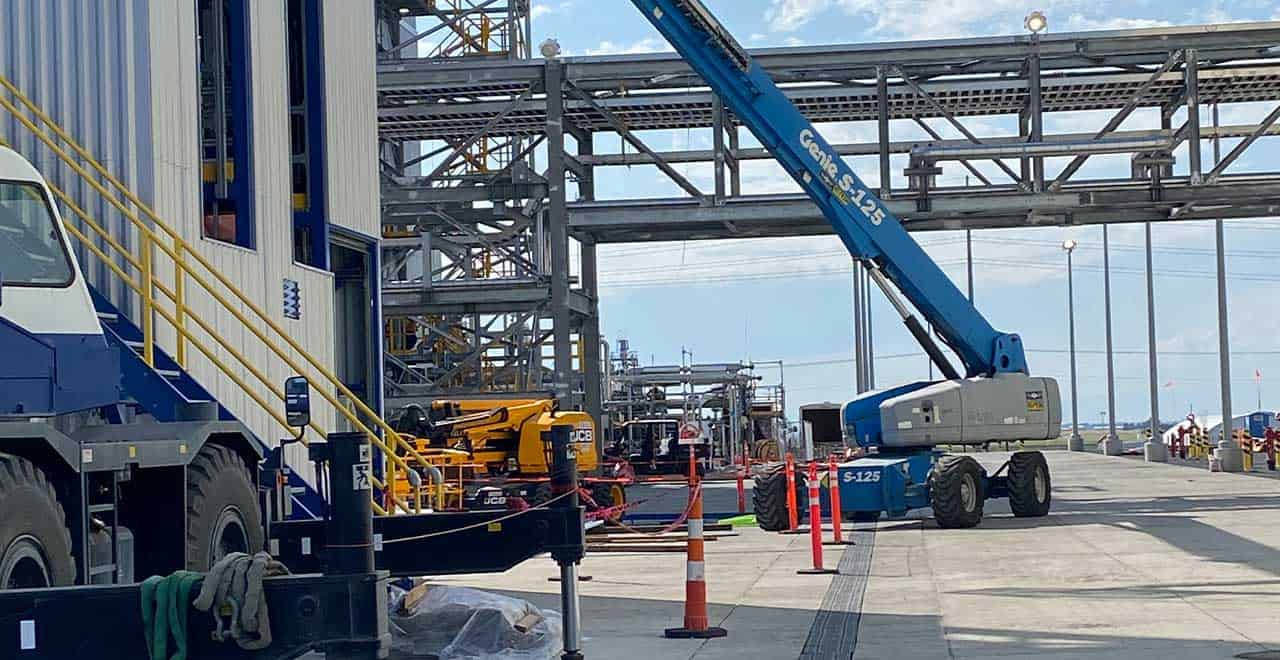
A Commercial Construction Guide from REIC Rentals
Commercial construction projects demand momentum. Tight schedules, multiple trades working simultaneously, and constantly changing job site conditions leave little room for downtime—or for safety incidents. That’s why aerial lifts remain one of the most essential pieces of equipment on modern commercial builds.
From boom lifts supporting steel erection to scissor lifts handling interior mechanical installs, aerial equipment keeps crews productive at height. But with that productivity comes responsibility: aerial lifts must be inspected, operated correctly, and maintained to the highest safety standards.
At REIC Rentals, safety is not a box to check—it’s how we operate every day, in every yard, and on every job site. Our teams support commercial contractors with dependable rental equipment, expert guidance, and service you can trust.
This aerial lift safety and inspection checklist is designed to help commercial construction teams stay compliant, reduce risk, and keep work moving safely.
Why Aerial Lift Safety Matters in Commercial Construction
Commercial construction environments are uniquely complex. Projects often involve:
- Multiple contractors working at different elevations
- Tight access points and congested staging areas
- Occupied buildings or sensitive facility zones
- High-value equipment and strict timelines
- Constant exposure to wind, uneven ground, and changing weather
Aerial lifts are powerful tools, but improper use or missed inspections can lead to serious injuries, equipment damage, or costly project delays.
The best way to prevent incidents is through consistent inspection routines and job site safety planning.
Pre-Operation Aerial Lift Safety Checklist
Before any lift leaves the ground, operators should complete a full walkaround inspection. This is a daily requirement on most commercial job sites and is critical for identifying issues early.
1. Confirm Operator Training and Authorization
Only trained and qualified personnel should operate aerial lifts. Before use, verify:
- Operator certification is current
- The operator understands the specific lift model
- Fall protection requirements are met
- Site-specific hazards have been reviewed
Commercial construction environments demand experienced operators who understand not only how the equipment functions, but also how it behaves in complex, changing job site conditions.
2. Review the Equipment Manual and Load Capacity
Every lift has manufacturer limits that must be followed, including:
- Maximum platform capacity
- Wind tolerance ratings
- Approved attachments
- Indoor vs. outdoor use restrictions
Overloading is one of the most common—and most preventable—causes of aerial lift incidents on commercial projects.
3. Inspect Structural Components
A visual inspection should include:
- Guardrails and entry gates
- Platform floor condition
- Boom sections or scissor arms
- Pins, bolts, and weld points
- Signs of cracks, bends, or corrosion
If any structural damage is identified, the lift should be removed from service immediately.
4. Check Tires, Wheels, and Outriggers
Commercial job sites often include uneven terrain, debris, or unfinished slabs. Inspect:
- Tire wear or punctures
- Proper inflation (if applicable)
- Wheel lug security
- Outrigger pads and stabilizers
Solid ground contact is critical for safe elevation and stable operation.
5. Test Controls and Emergency Functions
Before operation, confirm that all controls work properly:
- Platform controls
- Ground controls
- Emergency stop buttons
- Emergency lowering system
- Alarm systems and horn
All function tests should be performed at ground level before the lift is put into service.
6. Inspect Hydraulic and Electrical Systems
Leaks or electrical failures can quickly become dangerous at height. Look for:
- Hydraulic fluid leaks
- Damaged hoses or fittings
- Loose wiring
- Battery condition and charging levels
- Engine performance (for diesel units)
REIC Rentals prioritizes fleet readiness and preventive maintenance so equipment arrives on the job site prepared to perform safely and reliably.
Job Site Hazard Assessment Checklist
Even a fully functional aerial lift can become unsafe if job site conditions are not properly evaluated. Commercial construction sites require constant awareness of the surrounding environment.
7. Valuate Ground and Surface Conditions
Before positioning the lift, ensure:
- Ground is level and compact
- No concealed voids or trenches
- Slabs can support the equipment weight
- No debris interferes with tires or outriggers
Soft soil and unfinished grading are among the leading contributors to tip-over incidents.
8. Identify Overhead Hazards
Commercial builds often involve steel framing, ductwork, and power infrastructure. Check for:
- Overhead power lines
- Temporary lighting cables
- Structural beams and ceiling obstructions
- Crane swing zones
Maintaining required clearance distances at all times is essential for safe operation.
9. Monitor Weather and Wind Conditions
Boom lifts are especially sensitive to wind. Stop operations if:
- Wind exceeds manufacturer limits
- Storm conditions approach
- Ice or snow affects traction
- Visibility becomes restricted
While commercial schedules can be demanding, safety must always take precedence over speed.
10. Control Traffic and Work Zones
Busy sites require clear separation between lift activity and ground crews. Use:
- Barricades or cones
- Spotters when backing or rotating
- Designated travel lanes
- Communication protocols
Preventing struck-by incidents is a critical part of maintaining a safe and productive job site.
Fall Protection Requirements for Aerial Lifts
Fall protection is a critical requirement on commercial construction sites and should never be treated as optional. Working at height introduces serious risk, and proper fall protection helps safeguard operators while keeping projects compliant and moving forward.
Boom Lifts
Boom lifts require personal fall protection at all times. Operators must wear a full-body harness with a lanyard securely connected to an approved anchor point within the platform. Because boom lifts can move both vertically and horizontally, there is an increased risk of ejection if the lift is struck, abruptly stopped, or operated on uneven ground. Proper tie-off is essential for safe operation.
Scissor Lifts
Scissor lifts are governed by site-specific safety policies, but guardrail systems must remain intact and in place at all times. Operators should never stand on guardrails, use ladders or makeshift devices inside the platform, or bypass safety gates. These practices significantly increase fall risk and compromise the lift’s stability.
REIC Rentals reinforces safe operating practices through training, routine inspections, and a culture of accountability across every job site we support, helping crews work confidently and safely at height.
Safe Operating Best Practices
Completing inspections is only the first step. Safe operation must be maintained consistently throughout the entire shift, especially on active commercial construction sites where conditions can change quickly.
Operators should always work within the lift’s rated capacity and keep both feet firmly on the platform floor at all times. Sudden or aggressive movements—particularly when operating at full height—should be avoided, as they can compromise stability. Travel should only occur when the platform is fully lowered, unless the equipment is specifically rated for elevated movement.
Safe entry and exit are just as important as the operation itself. Maintaining three points of contact when getting on or off the platform helps reduce slips and falls. Aerial lifts should never be operated near live electrical systems without proper clearance and controls in place.
Commercial job sites are constantly evolving, and staying alert is critical. Operators must remain aware of changing surroundings, nearby crews, and overhead hazards throughout the shift.
Post-Use and Shutdown Checklist
At the end of each workday, proper shutdown procedures help protect both equipment and personnel.
The platform should be fully lowered before powering down the lift. Once shut off, the key should be removed to prevent unauthorized use. Operators should conduct a quick post-use inspection to check for new damage, leaks, or performance issues that may have developed during the shift.
Any concerns should be reported immediately so they can be addressed before the next use. Securing equipment at the end of the day reduces the risk of misuse, vandalism, or unexpected downtime. Early reporting and proper shutdown help prevent minor issues from becoming costly repairs.
Partner with REIC Rentals for Safe, Reliable Lift Support
REIC Rentals delivers more than equipment—we provide commercial construction teams with knowledgeable guidance, a dependable fleet, and responsive support designed to protect uptime. From complex builds to fast-moving renovation projects, our team helps ensure you have the right aerial lift solution for the job.
With locations across the U.S. and Canada, we combine broad geographic reach with the hands-on service of local experts who understand the realities of demanding job sites. Whether your project requires a single lift or a coordinated fleet, we help you plan access efficiently and keep crews working productively at height.
Safety isn’t just a policy—it’s built into how we operate, from fleet readiness to on-site support.
Need an Aerial Lift Rental or Job Site Support?
If your commercial project calls for dependable aerial access and expert coordination, contact our team. We’ll help you secure the right equipment for your scope, timeline, and site conditions—backed by service that keeps your project moving without interruption.
When performance, reliability, and accountability matter, REIC Rentals is ready to support your job site.
Service You Trust. Equipment You Need.
