Spring Execution on Busy Jobsites
The weather finally breaks in late March, and your crew has a narrow window to mobilize before the next rain system rolls through. You have been watching the forecast for weeks, and now you need excavators, loaders, and site trucks ready to roll within days. This scenario plays out every spring across civil, industrial, and commercial construction as teams race to make up for the winter slowdown.
Spring execution is the combination of planning, jobsite readiness, and smart equipment choices that prevent downtime once work begins. From March through June, tight schedules and limited flex days mean every decision matters. At REIC Rentals, we see this pressure play out on jobsites across North America every year. This article focuses on practical ways to keep your construction project moving through the specific equipment categories and on-site practices that experienced contractors rely on.
Planning Spring Execution: From Late-Winter Prep to First Mobilization
The best spring seasons start in February, not April. Using late winter to finalize plans rather than waiting until the first warm week gives your team a real advantage over compressed timelines. A spring execution calendar that maps equipment needs, delivery dates, and critical path activities from March through June turns reactive scrambling into coordinated mobilization.
Peak spring season puts serious pressure on equipment availability across every market REIC Rentals serves. Excavators, wheel loaders, and cranes do not sit idle waiting for last-minute requests in April. Building one- to two-week buffers into your equipment plan is not padding the schedule. It is protecting it. A project starting site prep around April 10 with foundation work following in late April has meaningfully different gear requirements across those three weeks. Confirming availability early, before the seasonal rush narrows your options, is what keeps those phase transitions from becoming unplanned delays. We have seen that gap cost projects several days at exactly the wrong point in the schedule. Plan the equipment timeline the same way you plan the work.
Servicing and Staging Equipment Before the Spring Push
There is a familiar pattern that catches crews off guard every year. Someone pulls machinery out of winter storage in late February, only to discover hydraulic leaks, dead batteries, or worn cutting edges that should have been addressed months ago. These surprises create downtime right when you need to be productive, and they are almost entirely avoidable.
Prioritize servicing equipment that will be on site first, including excavators, skid steers, wheel loaders, and compactors. After winter storage, focus inspection on hydraulic hoses, undercarriage wear, filters, and fluid levels on Tier 4 machines. For sites with typical April starts, professional service on large machines should be scheduled by mid-March at the latest. Stage equipment and attachments near the yard or jobsite so that the first mobilization occurs in a single coordinated move, rather than piecemeal trips that waste hours and signal a jobsite that is not ready to execute.
Choosing Productive Earthmoving and Material-Handling Equipment
The right mix of machines is the backbone of efficient spring execution, especially when ground conditions are soft. Excavators and bulldozers set the pace for early-season earthwork. Common spring tasks include utility trenches, drainage corrections, and regrading access roads damaged by freeze-thaw cycles. Getting these tasks done on schedule creates the foundation, literally and logistically, for everything that follows.
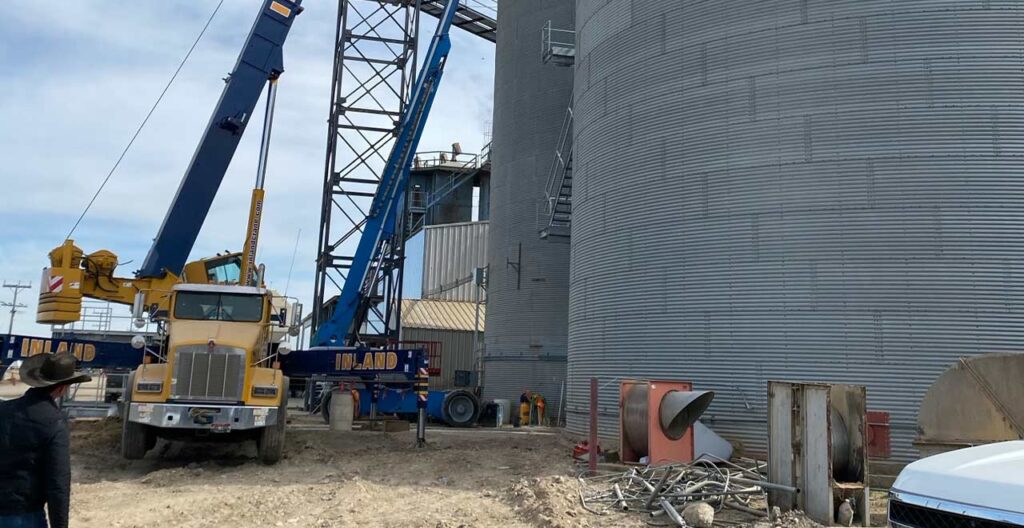
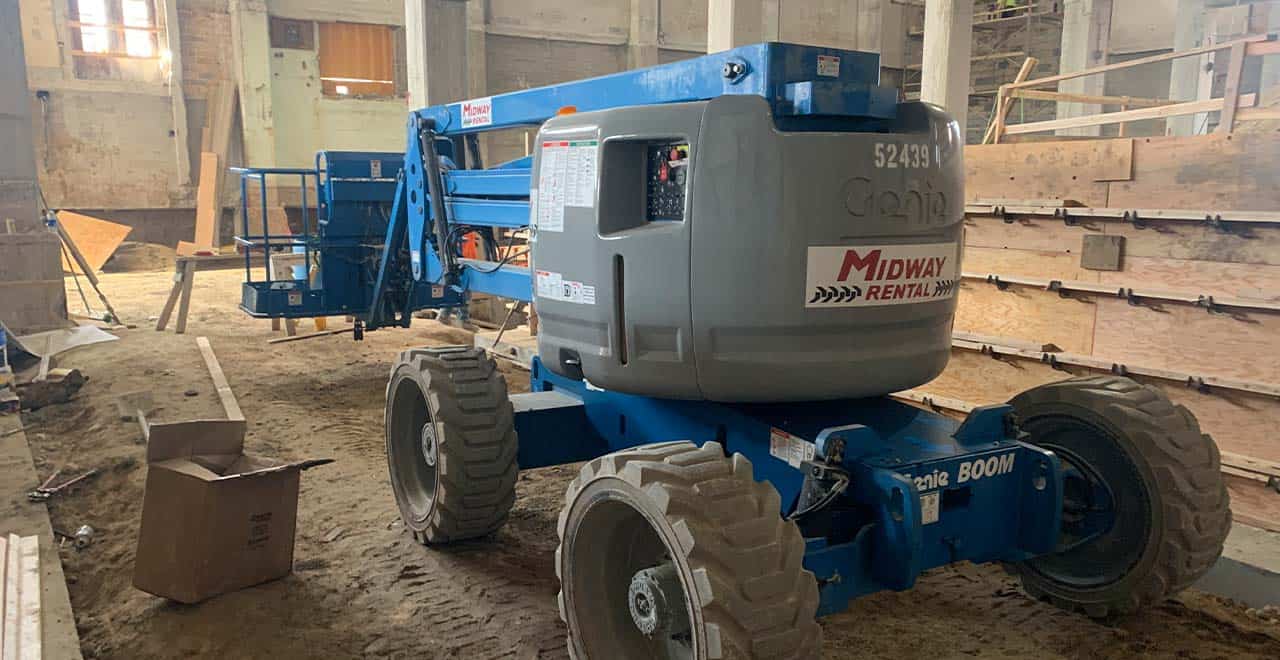
Skid steers, compact track loaders, and wheel loaders handle tight, muddy jobsites and daily material handling where larger machines cannot operate efficiently. For vertical work that starts once foundations are in, cranes and telehandlers need rental periods aligned with actual schedule milestones, not general availability windows. In wet April conditions, the choice between tracked and wheeled machines is a scheduling decision as much as an equipment one. Tracked machines reduce rutting and prevent equipment from getting stuck, which can bring operations to a halt for hours at a time.
REIC Rentals has the fleet depth to support coordinated equipment planning across multiple machine categories simultaneously. When your excavator, loader, and haul truck all need to be on site by the same date, having a single rental partner with national fleet resources to support local delivery makes that coordination straightforward rather than fragmented.
Compact Equipment That Keeps Crews Moving Between Tasks
On a tight urban or industrial site, a small crew often depends heavily on compact machines to maintain productivity through spring. Compact excavators, mini skid steers, and smaller wheel loaders can switch between attachments quickly, supporting multiple trades on the same day without the overhead of bringing in additional machines for each task.
Quick couplers, hydraulic thumbs, and fork or broom attachments help crews adapt to changing workloads. After wet days, compact equipment handles cleanup tasks like smoothing ruts and re-establishing access paths. These are not secondary jobs. Keeping access clean and surfaces workable protects the progress your crew made earlier in the week and prevents rework that eats into the schedule margin you cannot afford to lose.
Hauling and Site Access Equipment for Unpredictable Conditions
Dump trucks, lowboys, and site trucks play a critical role in spring execution because materials and equipment must move quickly once the weather cooperates. Delivery routes that cannot handle soft shoulders or spring weight restrictions become bottlenecks that hold up the entire site. Planning those routes before mobilization, not after the first truck gets stuck, is the difference between a production day and a problem-solving day.
When access is limited by thawing ground, using smaller or staged loads keeps materials flowing without damaging roads or getting vehicles stuck. Consider a gravel job running through three consecutive wet weeks in early spring. A project manager might decide to split loads and run lighter trucks on improved access paths rather than pushing full-weight deliveries on soft soil. That decision might potentially cost more per trip but can save the schedule. That kind of operational flexibility is what separates crews that execute from crews that wait for conditions to improve.
Managing Wet, Muddy, and Thawing Jobsites in Spring
Spring mud, frost heave, and standing water are realities on sites that sat idle all winter. Accepting this and planning around it separates productive crews from those fighting their work environments daily. Temporary access mats, aggregate haul roads, and geotextiles keep equipment moving and protect subgrades from damage that would compromise work downstream.
Establishing drainage systems early prevents work stoppages after heavy spring rains. Temporary swales or pumps installed before digging begins cost far less than the downtime they prevent. Designating material staging areas on higher, better-drained ground avoids double-handling pallets that sink or shift. Daily housekeeping matters too. End-of-day grading, tracking cleanup at entry points, and protecting finished surfaces from wet conditions extend the life of your work and reduce the rework that compounds on a tight spring schedule.
Protecting Materials and Work-in-Progress from Spring Weather
Pallets of block, rebar, and lumber can be compromised by constant moisture if not stored with care. Dunnage and covers keep materials off wet ground and out of standing water. Temporary shelters, tarps, and ventilated storage protect moisture-sensitive resources through April and May when conditions remain volatile.
Concrete placements, coatings, and sealants need extra attention when nights still dip near freezing. A jobsite can save weeks of schedule by covering fresh concrete with insulated blankets during unexpected cold snaps. That kind of preparation is not a contingency plan. It is standard execution on a well-run spring job. Tie material protection into daily planning, so crews are not losing productivity cleaning up avoidable damage when conditions turn.
Organizing Tools, Vehicles, and Onsite Workflows for Speed
Every construction site has experienced this: April arrives, and power tools are buried in cluttered trailers from the winter rush. Time lost hunting for equipment adds up fast when you are racing weather windows. Clean out service trucks, trailers, and containers in late winter. Remove broken or obsolete items before the spring ramp-up begins.
Setting standard layouts for gang boxes and truck shelves so crews can find what they need without searching is a small investment with a high return rate. Assign one person ownership of the organization and restocking, with a completion date tied to the first mobilization. Labeled bins for consumables and prepacked kits for common tasks improve accuracy and speed, especially when the crew is under the most pressure.
Material and Parts Readiness to Avoid Spring Downtime
Double-check material takeoffs and critical consumables before the first spring pour or steel set. The items that stop work most often are not major assemblies. They are fasteners, saw blades, hydraulic fittings, hoses, filters, and safety pins for equipment. A modest buffer inventory for commonly used parts, combined with a priority supply arrangement with local vendors ahead of the busy season, keeps machines running through the failures that would otherwise cost you a day.
Having the right spare on the truck is the difference between a 20-minute fix and 3 days of waiting for a part. That math is simple, and the investment is modest. We take that kind of operational preparation seriously because the projects we support cannot afford to learn it the hard way mid-season.
Safety, Training, and Communication for a Strong Spring Start
Fast-paced spring work can create pressure that tempts crews to cut corners. That pressure creates risk for people and schedules simultaneously. Refresh safety orientations in late winter with specific attention to slip hazards, changing ground conditions, and work at height on damp surfaces. Inspect personal protective equipment, fall protection gear, and first aid kits, and tie those checks directly to project readiness milestones rather than treating them as separate administrative tasks.
Daily huddles and short toolbox talks that address specific site conditions help build safety awareness as the March and April weather remains volatile. Foremen and superintendents who model consistent safe behavior send a clear message: safety and efficiency are not competing priorities. On a well-run spring job, they reinforce each other.
Aligning Crews and Equipment Around the Plan
Clear communication of the spring schedule helps crews understand why certain machines are on site at any given time. Walk-throughs before major phase changes, like shifting from mass excavation in April to structural work in May, prepare workers for what equipment will arrive, what access will look like, and their priorities in each phase. Without that context, crews work reactively. With it, they execute deliberately.
Weekly look-ahead meetings keep everyone aligned on priorities, deliveries, and potential weather impacts. Good coordination between field crews, dispatch, and the yard team prevents the lost days at the start of critical operations that cannot be recovered later in the schedule. REIC Rentals supports that coordination on the equipment side, helping clients plan staging, confirm fleet availability, and adapt to changing site requirements throughout the full spring season.
Turning Spring Readiness into Spring Execution
Early planning, serviced machinery, organized tools, and thoughtful site management come together to keep jobs moving once spring begins. Spring execution is about more than having machines accessible. It is about having the right machines, in the right condition, at the right time, backed by a rental partner who has already confirmed availability and can respond when conditions change.
Pick one or two improvements to tackle before next spring. Schedule maintenance earlier, set a deadline for cleaning out trucks, or build your equipment plan in February instead of April. Prepare now, and you will enter next March with the confidence that both crews and equipment are ready for a full, productive season. That readiness is what transforms challenging spring conditions into completed work and projects delivered on schedule.
Tell us your site constraints, timeline, and equipment needs. We will build a plan that supports your spring mobilization from day one.
1.888.356.1880 | in**@**ic.com | Get a Quote
Service You Trust. Equipment You Need.