

Heating
Description
Keep your project moving through the winter months with our powerful portable heaters and industrial blowers. These units provide the…
Monday 9am–5pm
Tuesday 9am–5pm
Wednesday 9am–5pm
Thursday 9am–5pm
Friday 9am–5pm
Saturday Closed
Sunday Closed
24/7 Service & Support Center
Always Available to Serve You Better

"*" indicates required fields
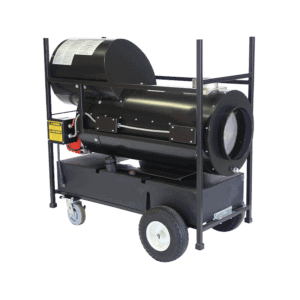
Keep your project moving through the winter months with our powerful portable heaters and industrial blowers. These units provide the…
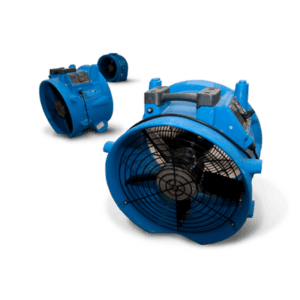
Beat the heat and maintain safe working conditions with our high-capacity portable air conditioners, evaporative coolers, and industrial fans. Ideal…
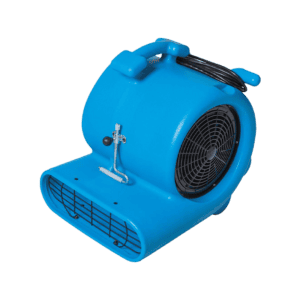
Mitigate water damage and speed up construction timelines with our professional-grade dehumidifiers and high-velocity air movers. Perfect for restoration projects…
Optimize your climate control systems with our range of HVAC accessories, including ducting, thermostats, and specialized venting tools. These components…
Fort St. John is the largest city in northeast British Columbia, the service centre for the Montney natural gas play, and the logistics hub for some of the most significant resource and infrastructure construction in western Canada. The Montney formation, which produces the majority of BC’s natural gas, extends across the Peace Region in every direction from the city. The Site C hydroelectric dam on the Peace River is 75 kilometres southwest. Pipeline corridors connecting the Montney production to processing plants, LNG export facilities, and Alberta markets cross the territory on multiple routes. This is a resource economy, and the construction that supports it operates on industry timelines in conditions that range from plus 35 in summer to minus 40 in winter.
REIC Rentals in Fort St. John serves the operational heart of northeast BC and extends into northwest Alberta with a focused climate control equipment catalogue built for the demands of one of Canada’s most active resource regions. We provide heating, cooling, dehumidification, and HVAC accessories for natural gas operations, pipeline construction, hydroelectric infrastructure, and industrial facilities, keeping the Peace Region running year-round.
Our Fort St. John territory covers the Peace Region and extends into northwest Alberta. Dawson Creek is 41 kilometres south. Chetwynd is 49 kilometres southwest. Tumbler Ridge is 78 kilometres south. Grande Prairie, across the Alberta border, is 109 kilometres east. Peace River, Alberta, is 137 kilometres northeast. Prince George is 178 kilometres south. This territory covers more geography than many locations in our network, because the projects and operations it serves are spread across the boreal landscape of the Peace Region.
The Montney natural gas play is the dominant economic driver in the Peace Region, and oil and gas operations support is the primary market for our Fort St. John location. Well pad construction, gathering line installation, compressor station construction and maintenance, and the gas processing facilities that condition raw gas for pipeline transport all generate year-round equipment demand. The Montney’s growth has accelerated as LNG export projects on the BC coast create new demand for Peace Region gas production.
Our Jet Heat flameless heaters serve the natural gas sector without the open-flame risks posed by conventional heating equipment in gas-producing environments. In a region where the extracted product itself is an ignition risk, flameless operation is the baseline safety requirement for any heating equipment on site. Well pad heating for winter drilling and completions operations keeps crew shelters, equipment enclosures, and temporary facilities operational in the sustained minus-30 and minus-40 conditions that northeast BC winters produce for weeks at a time. Compressor station and gas plant maintenance requires temporary heating to maintain working conditions during mechanical system overhauls and turnaround windows where permanent climate systems are offline.
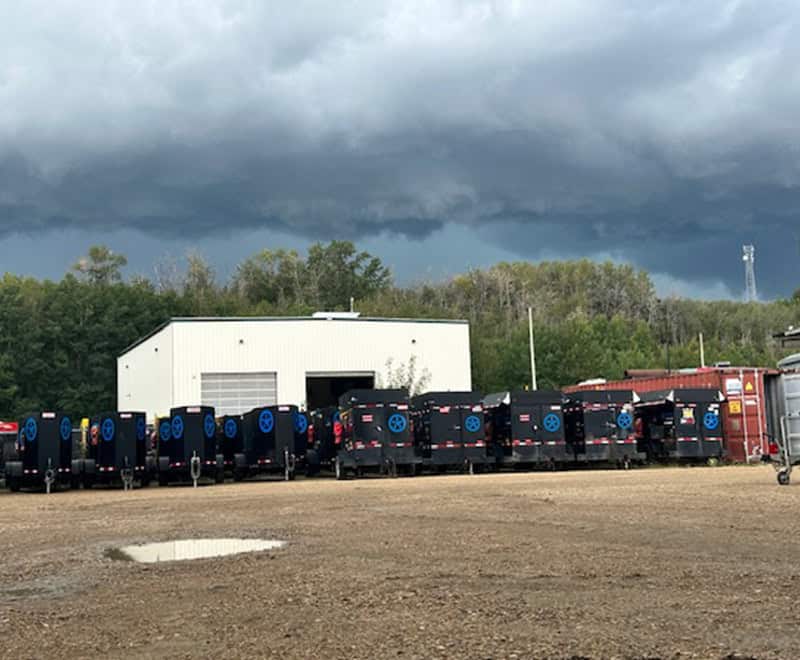
The Peace Region’s pipeline network is expanding as Montney production grows and new export capacity comes online. Pipeline construction through the boreal forest and across the mountain passes of northeast BC creates linear construction programs that require equipment to be deployed along the right-of-way rather than at a fixed site. Heating for pipeline coating, concrete temperature management for valve station foundations, and power for pipeline camps and work fronts follow the construction front as it moves across the landscape. Winter concrete curing for pipeline infrastructure is a particular planning challenge: valve, pump, and compressor station foundations are poured through winter on construction schedules that cannot wait for spring, and heating plans for extreme cold conditions are engineered for actual northeast BC ambient temperatures, not southern Alberta cold-weather guidelines.
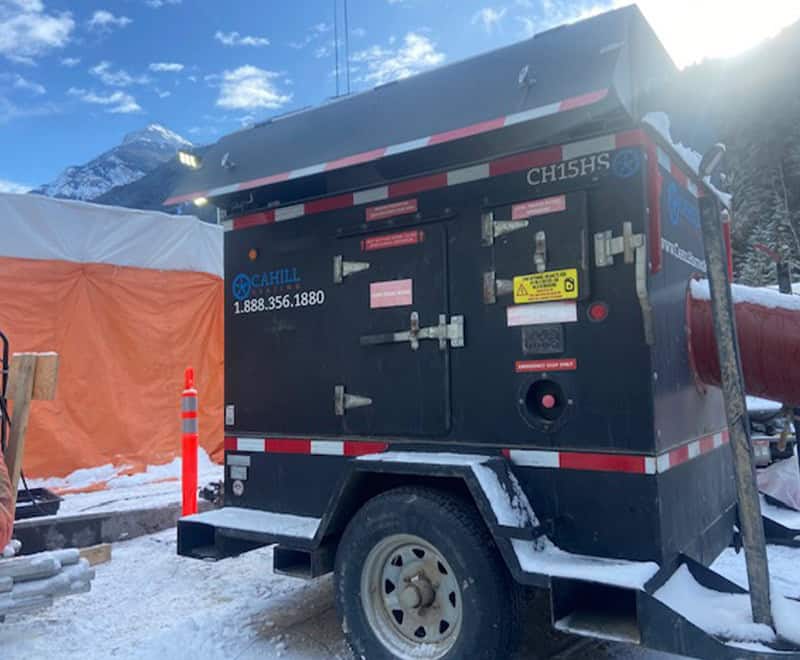
The Peace Region’s hydroelectric resources have driven major dam and infrastructure construction for decades. The W.A.C. Bennett Dam, the Peace Canyon Dam, and the Site C project on the Peace River represent some of the largest infrastructure construction programs in British Columbia’s history. Hydroelectric construction in the Peace Region combines the scale of heavy civil construction with the winter severity of northeast BC. Heating for dam construction and maintenance keeps enclosed work areas within concrete structures operational during construction and protects mechanical and electrical installations during commissioning. Lighting for 24-hour construction operations on major infrastructure projects supports the continuous work schedules required by the project timeline during the short daylight hours of northeast BC winters.
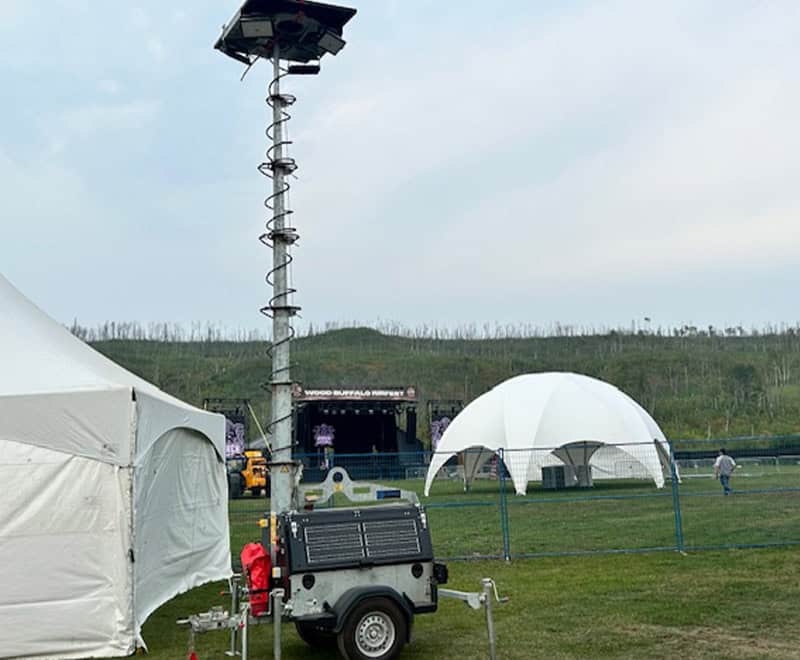
Mining operations across the Peace Region and the broader northeast BC corridor include coal mining in the Tumbler Ridge area, mineral exploration across the northern BC interior, and the aggregate and construction material extraction that supports the region’s infrastructure development. Mining operations in this territory face the same extreme cold, remote locations, and limited access challenges as the energy sector. Climate control for maintenance facilities, enclosed processing infrastructure, and worker accommodation during winter operations requires heating equipment selected and maintained for the actual conditions of northern BC, not a more temperate market.
We provide generator power for well pads, pipeline construction camps, compressor station construction, and the temporary facilities that resource development in the Peace Region requires. Grid power does not reach most active work sites in this territory, and self-contained power is the standard operating requirement. We also supply light towers for the extended darkness of northeast BC winters. At latitude 56 north, Fort St. John receives less than seven and a half hours of daylight at the winter solstice, meaning every outdoor operation from October through March requires primary lighting, not supplemental.
Call our Fort St. John team or request a quote online. We have the full REIC Rentals network behind this location for anything beyond our local inventory.
Construction in the Peace Region follows the resource development cycle rather than the conventional construction season. Well pad construction accelerates in winter when frozen ground supports heavy equipment access. Pipeline construction runs year-round, adhering to regulatory and contractual timelines. Processing facility turnarounds happen when production scheduling dictates. The equipment that serves this market must be available when the resource development calendar requires it, maintained for the conditions it will operate in, and deployed to locations that are measured in kilometres of resource road, not city blocks.
Fort St. John’s position on the Alaska Highway and Highway 97 provides the primary road access for the Peace Region. Dawson Creek is 41 kilometres south. Chetwynd is 49 kilometres southwest. Tumbler Ridge is 78 kilometres south. Grande Prairie is 109 kilometres east across the Alberta border. Peace River is 137 kilometres northeast. Prince George is 178 kilometres south. For remote well pad and pipeline deliveries, we coordinate logistics around road conditions, seasonal weight restrictions, and the site-specific access requirements of each operator’s lease roads.
Can you support natural gas well pad operations in the Montney play?
Yes. Montney well pad operations are our primary market. We provide Jet Heat flameless heaters for well pad heating, generators for remote power, and light towers for winter operations. Flameless heating eliminates ignition risk in natural gas environments, and our equipment is maintained for the sustained extreme cold conditions that northeast BC winter operations impose.
Do you serve Grande Prairie from Fort St. John?
Yes. Grande Prairie is 109 kilometres east of Fort St. John across the Alberta border on Highway 2. We deliver to the Grande Prairie area and serve the oil and gas, pipeline, and construction markets of northwest Alberta from our Fort St. John location. The Peace Region economy crosses the BC-Alberta provincial border, and our service territory follows the economic geography rather than the provincial line.
Can you support pipeline construction along the Coastal GasLink and other corridors?
Yes. Pipeline construction across northeast BC is a core market for our Fort St. John location. We provide heating for coating operations, concrete curing support for infrastructure foundations, power and lighting for pipeline camps, and climate control for the linear construction programs that move across the right-of-way.
How do you handle equipment delivery to remote sites during spring breakup?
Spring breakup is the most significant logistics constraint in northeast BC. When frozen roads thaw, weight restrictions limit the movement of heavy equipment on resource roads and secondary highways. For projects that span the breakup period, we plan equipment staging before road restrictions take effect so that equipment is on site before access becomes limited. Our team monitors road conditions and coordinates with your logistics contacts on the timing of pre-breakup mobilization.
Can you serve Prince George from Fort St. John?
Yes, with planning. Prince George is approximately 178 kilometres south of Fort St. John on Highway 97. We deliver to the Prince George area on scheduled rotations for projects that require our flameless heating and climate control equipment. For ongoing project support in Prince George, we coordinate delivery logistics and equipment staging based on the project’s duration and equipment requirements.
What is your response time for emergency heating needs on remote sites?
Call our 24/7 support line immediately. Remote Peace Region sites have longer response drive times than urban locations, and our response planning accounts for both the distance and the access conditions. We dispatch replacement equipment or service technicians as fast as road conditions allow, and we communicate clearly about timing rather than leaving you waiting without information.