
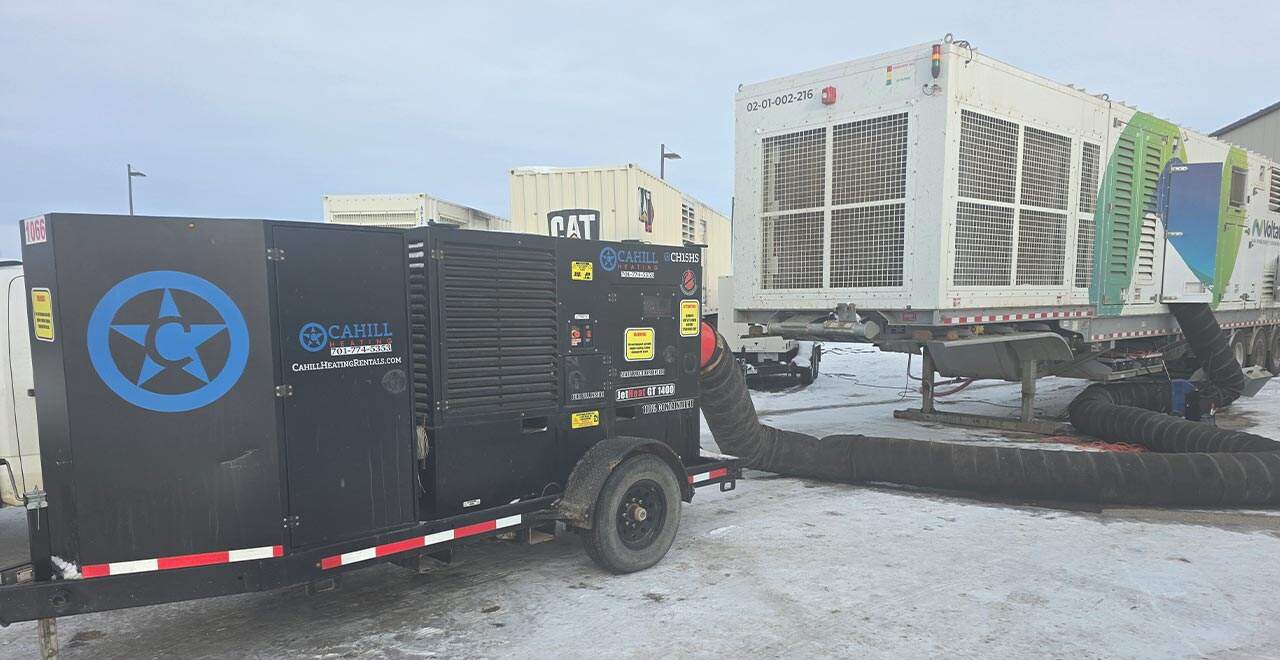
A Facility Management Guide to Winter Protection and Continuity
Frozen pipes are among the most disruptive winter hazards that facility managers face. A sudden temperature drop can turn a minor vulnerability into burst piping, water damage, displaced occupants, and costly emergency repairs. Once water starts flowing where it shouldn’t, the impact spreads quickly—damaging finishes, interrupting operations, and creating long recovery timelines.
Temporary heat is one of the most effective tools facility managers can use to protect buildings during cold weather. When permanent systems are limited, offline, or unevenly covered, temporary heating solutions help stabilize temperatures, prevent freeze events, and reduce the risk of secondary damage. With the right planning, facilities can remain operational—even during harsh winter conditions.
REIC Rentals supports facility management teams with temporary heating and site support solutions designed to protect occupied and unoccupied buildings alike. Whether addressing a short-term cold snap or managing extended maintenance work, the goal is the same: keep systems above freezing and avoid preventable damage.
Why Frozen Pipes Create Disproportionate Damage
Pipe freezes don’t just happen in obvious places. They often occur in overlooked areas—such as mechanical rooms, exterior walls, crawl spaces, stairwells, loading docks, or vacant suites—where airflow is limited, and temperatures fluctuate.
When water freezes, it expands. That pressure can crack pipes, fittings, and valves. When temperatures rise again, leaks may go unnoticed for hours, allowing water to spread behind walls, under floors, and into electrical systems.
For facility managers, the fallout includes:
- Emergency shutdowns and service disruptions
- Interior finish damage and mold risk
- Tenant displacement or operational downtime
- Extended dry-out and remediation timelines
Preventing freezes is far more effective—and less expensive—than reacting after damage occurs.
Identify the Most Vulnerable Areas First
Effective freeze prevention starts with understanding where risk is highest. Not every part of a building cools at the same rate, especially during winter storms or cold snaps.
Common high-risk zones include:
- Mechanical rooms with limited insulation
- Areas near exterior walls or unconditioned spaces
- Underutilized or vacant floors
- Construction or renovation zones with exposed systems
- Loading docks, stairwells, and service corridors
By mapping these areas early, facility managers can strategically deploy temporary heating to protect the most vulnerable systems before temperatures fall too low.
Temporary Heat as a Preventative Strategy
Temporary heating is often associated with emergency response, but its greatest value is in prevention. When deployed proactively, it helps facilities avoid freeze events entirely.
Temporary heat can support:
- Buildings with aging or inconsistent HVAC coverage
- Planned boiler, chiller, or air handler maintenance
- Partial outages affecting specific zones
- Extreme cold events that exceed system capacity
By supplementing permanent systems, facility teams gain an added layer of protection—especially during nights, weekends, or after-hours periods when monitoring may be limited.
Choosing the Right Type of Temporary Heat
Not all heating solutions are suitable for occupied buildings. Selecting the right type depends on space constraints, ventilation, occupancy, and duration.
Key considerations include:
- Clean heat options for interior use
- Proper sizing for room volume and layout
- Safe operation in occupied environments
- Ability to target specific zones without overheating others
REIC Rentals works with facility managers to select heating solutions that match building needs while minimizing disruption to occupants and operations.
Zone-Based Heating: Focus Where It Matters
Whole-building heating isn’t always practical—or necessary. Many freeze risks are localized, making zone-based heating the most efficient approach.
Targeted heating allows teams to:
- Maintain safe temperatures in mechanical rooms
- Protect exposed piping in specific wings or floors
- Support unoccupied or low-use areas without conditioning the entire building
This approach reduces energy use, simplifies deployment, and allows facility managers to respond quickly as conditions change.
Supporting Buildings During HVAC Maintenance or Outages
Planned maintenance and unexpected outages are prime times for freeze events. When permanent systems are offline—even briefly—temperatures can drop fast in winter conditions.
Temporary heat helps maintain stability during:
- Boiler or chiller replacement
- Rooftop unit repairs
- Controls upgrades or commissioning
- Phased renovation projects
By maintaining baseline temperatures during these windows, facilities can complete work without exposing piping and systems to the risk of freezing.
Preventing Secondary Damage After a Cold Event
Sometimes a freeze is avoided, but moisture or condensation still creates problems. Cold surfaces combined with warm air can lead to condensation, which can damage finishes and increase humidity levels.
Temporary heating, paired with airflow or dehumidification, helps:
- Reduce condensation on pipes and walls
- Stabilize interior conditions
- Protect finishes and sensitive equipment
Managing these secondary effects is critical for preserving building integrity and maintaining indoor air quality.
Temporary Power and Monitoring Support
During extreme weather, power reliability can become a concern—especially in older facilities or during storms. Temporary power solutions provide an added layer of protection.
Generators and site support can:
- Power temporary heating during outages
- Support monitoring and alarm systems
- Keep critical spaces protected even when utilities are compromised
For facility managers responsible for critical infrastructure, this redundancy helps prevent freeze-related failures during unpredictable conditions.
Responding Quickly When Temperatures Drop
Weather changes fast, and freeze risk can escalate overnight. Facility teams need partners who can respond quickly when forecasts worsen or systems fail unexpectedly.
REIC Rentals supports rapid response with:
- Fast equipment deployment
- Practical staging plans for occupied buildings
- Service support designed around uptime
This responsiveness allows facility managers to address risks before they turn into emergencies.
Buildings and Facilities That Benefit from Temporary Heat
Temporary heating is commonly used across a wide range of facility types, including:
- Commercial offices and mixed-use buildings
- Healthcare facilities and assisted living communities
- Education campuses and public buildings
- Hospitality and multi-family properties
- Warehouses and industrial spaces
Each environment has unique requirements, but all share the need to protect piping, systems, and occupants during winter.
Why Facility Teams Rely on REIC Rentals
Facility managers choose REIC Rentals because our approach goes beyond equipment delivery. We focus on protecting building operations through practical, experience-driven solutions.
Our support includes:
- Heating solutions designed for occupied spaces
- Fast deployment during urgent conditions
- Job-ready equipment maintained for continuous use
- Coverage across North America for multi-site facilities
This combination helps facility teams maintain control during winter—rather than reacting to damage after it occurs.
Proactive Protection Beats Emergency Recovery
Frozen pipes are among the most preventable causes of winter facility damage. With proper preparation and a temporary heating strategy, buildings can remain protected even during extreme cold.
For facility managers, success isn’t just avoiding freeze events—it’s maintaining continuity, protecting occupants, and preserving assets throughout the winter season.
REIC Rentals delivers the service you trust and the equipment you need to keep buildings protected, operational, and resilient when temperatures drop.
Need help protecting your facility from winter freeze risks?
Contact our team today to work with experienced rental professionals who can help you plan, deploy, and maintain temporary heating solutions designed to prevent damage before it starts.
