Aerials & Lifts
Description
Access complex elevations with a fleet engineered for stability and precision reach. From articulating booms for difficult-to-access overhead work to…
Monday 7:30am–5pm
Tuesday 7:30am–5pm
Wednesday 7:30am–5pm
Thursday 7:30am–5pm
Friday 7:30am–5pm
Saturday Closed
Sunday Closed
Ask Us About Our 24/7 Service Support
"*" indicates required fields

Access complex elevations with a fleet engineered for stability and precision reach. From articulating booms for difficult-to-access overhead work to…

Achieve structural integrity with industrial-grade finishing and compaction solutions designed for the toughest site requirements. Whether you are prepping a…

Our earthmoving fleet provides the breakout force and hydraulic power necessary for rapid site development and excavation. From compact units…
Maximize your material handling efficiency with our comprehensive fleet of industrial and rough-terrain forklifts, engineered to deliver powerful lifting performance…
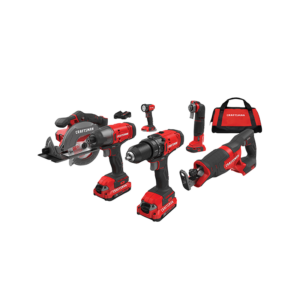
Equip your project with professional-grade tools designed for durability and high-torque performance across all trades. This comprehensive category provides the…
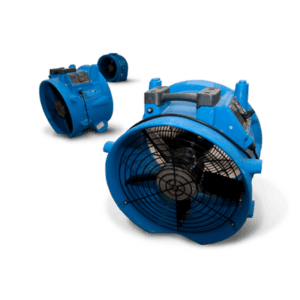
Maintain critical climate control and air quality with our high-capacity heating, cooling, and ventilation units. Engineered to handle large-scale commercial…

Transform raw land and maintain expansive commercial properties with our high-performance turf and timber management equipment. From heavy-duty brush clearing…

Streamline mechanical and electrical installations with specialized tools for threading, bending, and routing. Our inventory is built to handle heavy-wall…
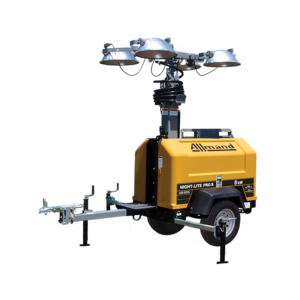
Ensure 24/7 site productivity with dependable power distribution and high-intensity lighting solutions. From towable generators for remote sites to LED…
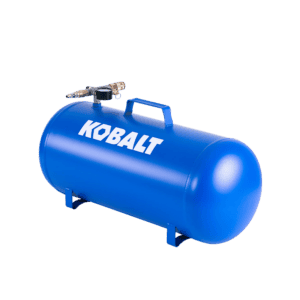
Deploy high-volume fluid management and consistent pneumatic power with our industrial pumps and compressors. Whether you are dewatering a major…
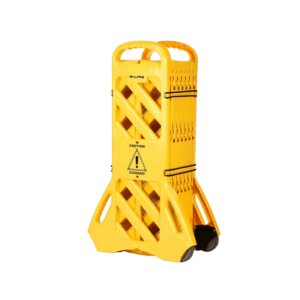
Mitigate jobsite risks and ensure site accessibility with our professional-grade safety and access solutions. This category includes everything from trench…
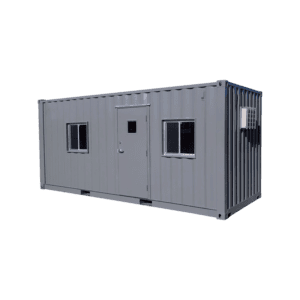
Optimize your logistics and site organization with rugged storage containers and high-capacity hauling solutions. Our weather-resistant containers protect valuable assets…
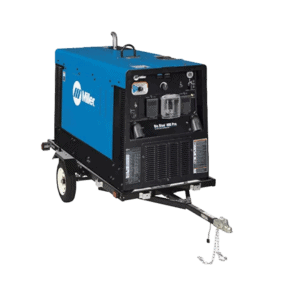
Achieve structural-grade bonds with our versatile fleet of portable and industrial welding units. Designed for precision and durability in the…
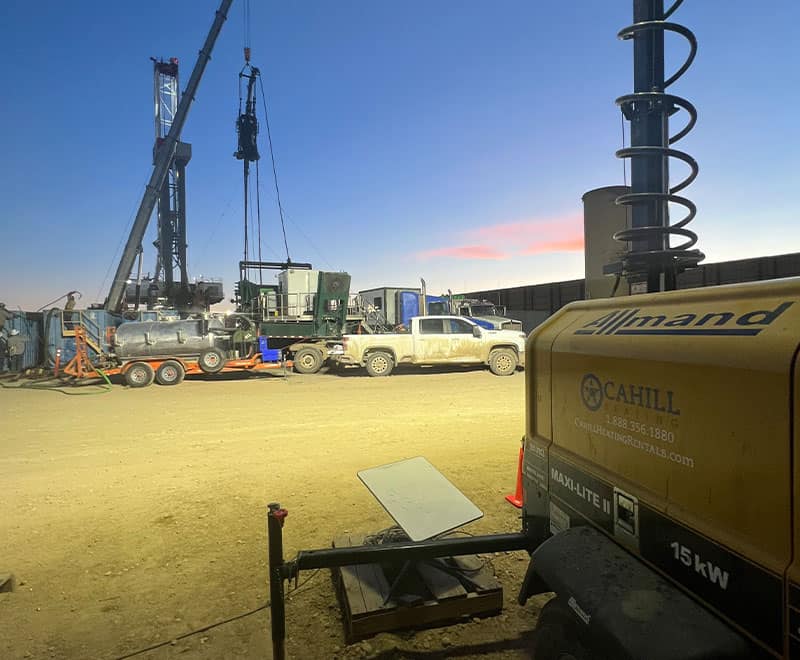
Kitimat was built for industry. The town exists because Alcan chose the head of the Douglas Channel in the 1950s to site an aluminum smelter powered by the Kemano hydroelectric project, and the industrial identity that decision created has defined the community ever since. Today, Kitimat is at the centre of the largest industrial construction investment in British Columbia’s history. The LNG Canada export facility on the Douglas Channel represents the most significant energy infrastructure project on the BC coast. The Coastal GasLink pipeline terminates here. The Rio Tinto aluminum smelter continues to operate and maintain its facilities. And the port infrastructure connecting northwest BC’s resources to Pacific Rim markets is being expanded to accommodate the export capacity these projects create.
REIC Rentals in Kitimat is here because the industrial construction and maintenance work concentrated in this corridor requires an equipment partner on the ground, not one dispatched from Prince George or Vancouver. Terrace is 32 kilometres north. Prince Rupert is 70 kilometres northwest. Smithers is 78 kilometres east. The northwest BC industrial corridor extends from Prince Rupert on the coast through the Skeena River valley to Burns Lake and beyond. The projects along this corridor are large, technically demanding, and operate in a coastal mountain climate that produces rain, snow, and humidity conditions unlike those in the BC interior and the prairies.
Our Kitimat location serves the full northwest BC industrial corridor, a territory defined not by city blocks but by resource infrastructure, remote access roads, and the industrial operations that have made this corner of British Columbia one of the most significant energy and resource development zones in Canada. From the deepwater port at Prince Rupert on the coast, through the Skeena River valley past Terrace and Kitimat, east through Smithers and Houston to Burns Lake, this corridor concentrates energy export, mineral extraction, hydroelectric generation, and aluminum production in a geography that demands an equipment partner who understands both the industrial requirements and the logistical realities of working in it.
The LNG Canada facility in Kitimat and the pipeline terminal infrastructure connecting it to Montney gas production in northeast BC represent a construction investment on a scale that very few communities in Canada have experienced. The construction workforce, the facility commissioning requirements, and the ongoing operational maintenance of this infrastructure create equipment demand that will extend for decades beyond the initial construction period.
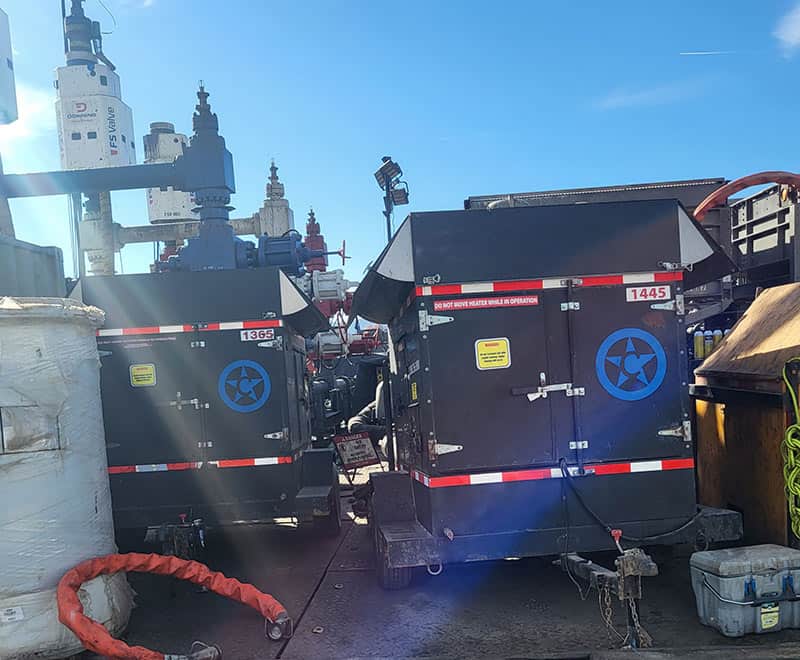
Our Jet Heat flameless heaters serve the LNG and industrial construction markets with flameless operation that meets the requirements of hydrocarbon processing environments. As the LNG facility transitions from construction to commissioning and operations, the heating and climate control requirements shift from construction support to operational maintenance support, and our equipment and team adapt to serve both phases. Commissioning-phase heating and climate control for LNG process equipment require maintaining temperature and humidity within operational specifications before the facility begins processing gas, and the precision requirements for LNG commissioning exceed those for standard construction heating. Pipeline terminal and marine loading facility construction compounds these demands with coastal weather, industrial safety requirements, and the scale of infrastructure, creating heating and climate control demands across multiple simultaneous work fronts.
Northwest BC’s mineral wealth has supported mining operations for over a century, and the current development cycle includes active mines, advanced exploration projects, and the infrastructure required by new mining operations. Mine site construction in remote northwest BC locations requires heating, power, and lighting for facility development programs where access is limited, distances are significant, and equipment must function reliably in a climate that combines coastal moisture with interior cold. Mine maintenance and operational support requires temporary heating and power equipment to supplement permanent facility systems during maintenance windows, seasonal peak demands, and equipment replacement programs.
Northwest BC’s hydroelectric resources are integral to the region’s industrial economy. The Kemano power station, the Nechako reservoir system, and the power generation infrastructure supporting the aluminum smelter and the broader regional grid have required continuous construction, maintenance, and modernization since the 1950s. Hydroelectric facility work combines heavy civil construction with precision electrical and mechanical installation in remote, access-constrained locations. Dam construction and maintenance require heating for enclosed work areas within concrete structures, both for worker safety and to protect electrical and mechanical installations during commissioning. Remote hydroelectric sites require self-contained equipment solutions because utility service is unavailable.
Kitimat’s coastal mountain climate is unlike any other location in the REIC Rentals network. The combination of Pacific moisture, mountain terrain, and the Douglas Channel’s fjord geography produces heavy rainfall, wet snow, and humidity levels that create climate control challenges distinct from the dry cold of the prairies or the extreme cold of northern Alberta. Construction heating in Kitimat must manage moisture as aggressively as it manages temperature.
Concrete curing in cold, wet conditions requires a dehumidification component alongside every cold-weather pour. Concrete curing in Kitimat is a temperature- and moisture-management exercise that dry-climate curing guidelines do not address. Dehumidification for industrial and commercial construction prevents coastal humidity from the Douglas Channel from penetrating enclosed spaces and threatening material damage, coating adhesion, and interior finish integrity.
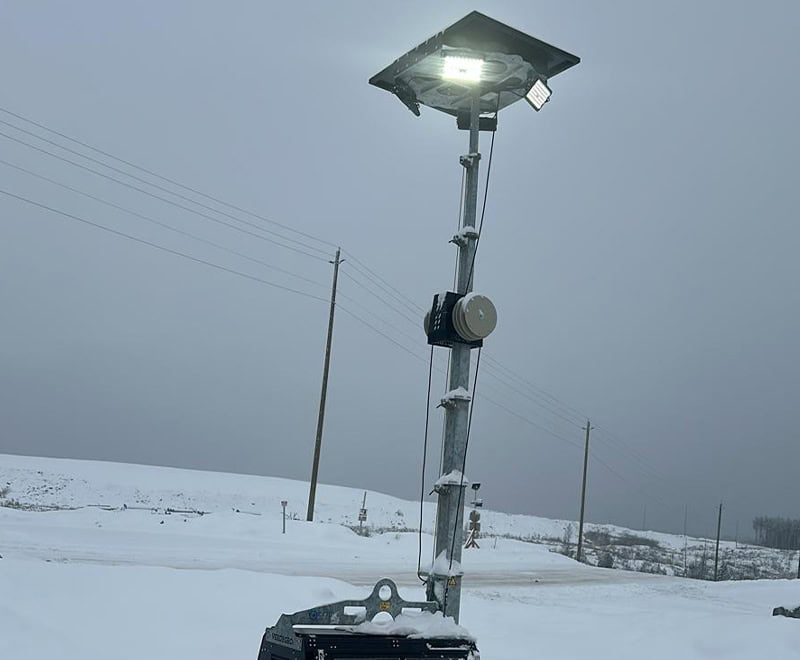
We provide generator power for construction sites and remote industrial operations where temporary electrical requirements exceed available grid capacity or where construction isolation from facility electrical systems is required. Light towers support extended construction shifts during the short winter daylight in northwest BC. At latitude 54 north, Kitimat receives fewer than 7.5 hours of daylight in December, and overcast coastal conditions further reduce effective daylight on most winter days.
Call our Kitimat team or request a quote online. We bring the full REIC Rentals catalogue to your project.
The Pacific coast climate of the Douglas Channel creates a construction environment that has no parallel in our prairie, interior, or eastern operations. The annual rainfall in Kitimat exceeds what most of our Alberta locations see in two or three years. The snowpack in the surrounding mountains feeds moisture into the air year-round. The temperature, while not as extreme as northern Alberta, combines with that moisture to create freeze-thaw and condensation conditions that test every aspect of climate control planning. Our Kitimat team understands this climate because they work in it every day, and the equipment plans they develop for your project account for the moisture, not just the temperature.
Our Kitimat location sits at the head of the Douglas Channel, connected to the regional highway network via Highway 37. Terrace is 32 kilometres north on Highway 37. Prince Rupert is 70 kilometres northwest via Highway 16. Smithers is 78 kilometres east on Highway 16. Houston is 85 kilometres east. Burns Lake is 118 kilometres east. For remote mine and infrastructure site deliveries, we coordinate logistics around seasonal road conditions and the access constraints created by northwest BC’s mountain terrain.
Can you support the construction and commissioning of the LNG facility in Kitimat?
Yes. LNG facility construction and commissioning support is our primary market in Kitimat. We provide Jet Heat flameless heaters for construction and commissioning heating, dehumidification for moisture management in coastal climates, and temporary power and lighting for the large-scale industrial construction and maintenance work required by the LNG infrastructure.
How does the coastal climate affect your equipment and your approach?
Kitimat’s coastal mountain climate produces moisture levels that are fundamentally different from our prairie operations. Every heating plan in Kitimat includes a moisture management component, because the humidity and rainfall produced by the Douglas Channel climate can compromise concrete curing, coating adhesion, and interior finishes if the heating system only addresses temperature without controlling moisture. Our team plans for both variables simultaneously.
Do you serve Prince Rupert and the port development projects?
Yes. Prince Rupert is approximately 70 kilometres northwest of Kitimat via Highway 16 through Terrace. We serve the port, LNG terminal, and industrial construction markets in Prince Rupert. The port’s expansion as a Pacific gateway creates construction demand that is distinct from but complementary to the Kitimat industrial market.
Can you support remote mining operations in northwest BC?
Yes. Mining operations across northwest BC are part of our Kitimat territory. We provide heating, power, and lighting for mine site construction, maintenance, and operational support. Remote mine-site deliveries require coordination around road conditions, seasonal access constraints, and site-specific requirements for each mining operation.
What makes your Kitimat location different from your Alberta operations?
Climate. Our Alberta locations operate in dry, cold conditions where temperature is the primary variable. Kitimat operates in a wet, cold environment where moisture management is equally important. The solutions our Kitimat team deploys always integrate dehumidification with heating because the coastal climate requires both. Equipment plans developed for dry prairie conditions would underperform in Kitimat’s coastal environment.
What is your response time for emergency equipment needs in the northwest BC corridor?
Call our 24/7 support line immediately. Because our location is in Kitimat, at the centre of the territory we serve, response times for emergency equipment deployment are measured in hours for nearby sites. For remote mine and infrastructure sites, we communicate clearly about realistic response timing based on road conditions and access constraints, and we dispatch replacement equipment or service technicians as fast as conditions allow.