
FDA investigators cite environmental monitoring deficiencies, including inadequate control of particulates and pressure differentials during facility modification, among the most frequently observed GMP compliance issues during pharmaceutical manufacturing inspections. When construction activity occurs inside an active drug manufacturing or packaging facility, the risk of those citations arriving is not hypothetical. It is an operational planning problem with a defined solution.
Indoor air quality in pharmaceutical manufacturing and packaging is a GMP-critical parameter. Particulate counts, microbial loads, pressure differentials, and chemical contaminants directly affect product sterility, safety, and regulatory standing. When renovation, expansion, or fit-out work occurs in an active facility, construction activity can introduce contaminants into production spaces within hours if physical and environmental controls fail.
REIC Rentals provides temporary environmental control solutions for pharmaceutical manufacturing and packaging renovations, including portable HEPA filtration, dehumidification and drying equipment, cooling, heating, and HVAC accessories configured for GMP environments. This article covers how to manage indoor air quality during pharmaceutical renovation at each construction phase and what regulators and quality teams expect in the documentation trail.
What Indoor Air Quality Means in Pharmaceutical Environments
Indoor air quality in pharmaceutical manufacturing is defined by particulate load, microbial counts, temperature, relative humidity, pressure differentials, and chemical contaminant concentrations. These parameters determine whether the product can be released, not just whether occupants are comfortable.
ISO 14644 and EU GMP Annex 1 set specific limits that apply throughout the renovation process as well as during normal production. The classifications range from the most stringent, ISO Class 5 or EU GMP Grade A used in filling and aseptic processing, through progressively less demanding environments for secondary and tertiary packaging. Even the least restrictive production zones require controlled indoor air to prevent packaging-generated particulates from migrating into primary packaging lines.
Pressure differentials between rooms of different cleanliness grades, typically 10 to 15 Pascals with doors closed, must be maintained during construction and normal operations. Sustained loss of those differentials during renovation is among the findings that drive corrective action and CAPA documentation requirements during FDA inspections.
Why Construction Activity Creates IAQ Risk in Active Facilities
Demolition, concrete cutting, new wall penetrations, and ductwork installation release large amounts of dust, silica, fiberglass, and dormant microbial reservoirs into the indoor environment. Construction-generated contaminants spread through shared corridors, ceiling voids, and HVAC pathways from work areas into production spaces.
Pharmaceutical facilities face a compounding problem: operations often continue during construction. A facility expanding its packaging suite while oral solids manufacturing continues on the same floor faces conditions in which uncontrolled dust from drywall cutting can settle on packaging components and trigger environmental monitoring excursions. Chemical off-gassing from adhesives and coatings can interact with sensitive formulations or printed packaging materials. Mold spores released from wet construction materials establish in wall cavities and ceiling spaces adjacent to GMP areas.
The business impact of those contamination events is concrete. FDA Form 483 observations, product holds, batch rejections, and the CAPA cycle that follows each deviation all carry financial and schedule consequences that compound when construction activity is not adequately controlled. Treating IAQ management during construction as a compliance planning activity rather than an operational detail is what separates renovations that close cleanly from those that generate regulatory correspondence.
Separating Construction Zones from GMP Production Areas
Physical isolation of construction zones from production areas is the prerequisite for every other IAQ control measure. It requires rigid barriers, controlled pressure relationships, and dedicated access points that prevent construction personnel and materials from entering GMP circulation routes.
Rigid temporary walls with sealed joints block the migration of dust and fumes. All penetrations for pipes, cables, and services must be sealed at the barrier face. Dedicated contractor access points keep construction personnel out of GMP corridors. The construction zone must be maintained at negative pressure relative to adjacent production areas, with exhaust exceeding supply so that air flows from the clean zone toward the contaminated zone rather than the reverse.
Ceiling voids, unused ductwork, cable trays, and lift shafts must be identified and sealed to block migration pathways that bypass physical barriers. An anteroom between the construction zone and the production area provides a transition buffer that prevents direct air exchange between zones during personnel and material movements.
Verifying that pressure differentials are maintained throughout the active phase is as important as establishing them at setup. A barrier breached by a door opening, a gap in the sheeting, or a pressure reversal caused by changes in the ventilation configuration around the zone can allow contaminated air to migrate into protected areas. Continuous monitoring with alarms is the control that makes verification systematic rather than periodic.
Controlling Particulates, Fumes, and Microbial Loads
Construction contaminants during pharmaceutical renovation fall into three categories: non-viable particulates from drywall, concrete, and metalwork; volatile organic compounds from paints, adhesives, and coatings; and viable organisms released from damp materials or aged insulation.
Local exhaust ventilation with HEPA filtration in the construction zone captures contaminants at the source before they disperse into the general air volume. Wet cutting methods for concrete and masonry reduce respirable dust. Moisture control through dehumidification prevents conditions that foster mold growth in new materials before finishes are applied.
Low-VOC paints and adhesives near primary and secondary packaging lines reduce the chemical contaminant load in spaces where packaging materials like foil blisters may absorb odors. Construction material selection should be verified against material safety data sheets for suitability in pharmaceutical environments before procurement, rather than after installation.
Occupied production areas must maintain normal GMP environmental monitoring throughout the construction period: settle plates, active air sampling, and surface swabs at the standard frequency. Temporary tightened limits or increased sampling frequency should be specified in the risk assessment for the renovation scope and documented in the change control records.
Managing the Existing HVAC System During Construction
If the building HVAC continues to draw return air from construction zones, dust and fumes are redistributed into occupied GMP and packaging spaces through the air-handling system. This re-entrainment pathway is the fastest route for construction contamination to reach clean areas and is frequently underestimated in renovation planning.
Return grilles in construction areas should be temporarily blanked or sealed to prevent contaminated air from being drawn into central air handling units. Pre-filters installed upstream of existing HEPA or central filters capture bulk particulates and prevent premature filter loading. The supply and exhaust balance should be adjusted to maintain the required pressure gradients between rooms of different cleanliness grades throughout the construction phase.
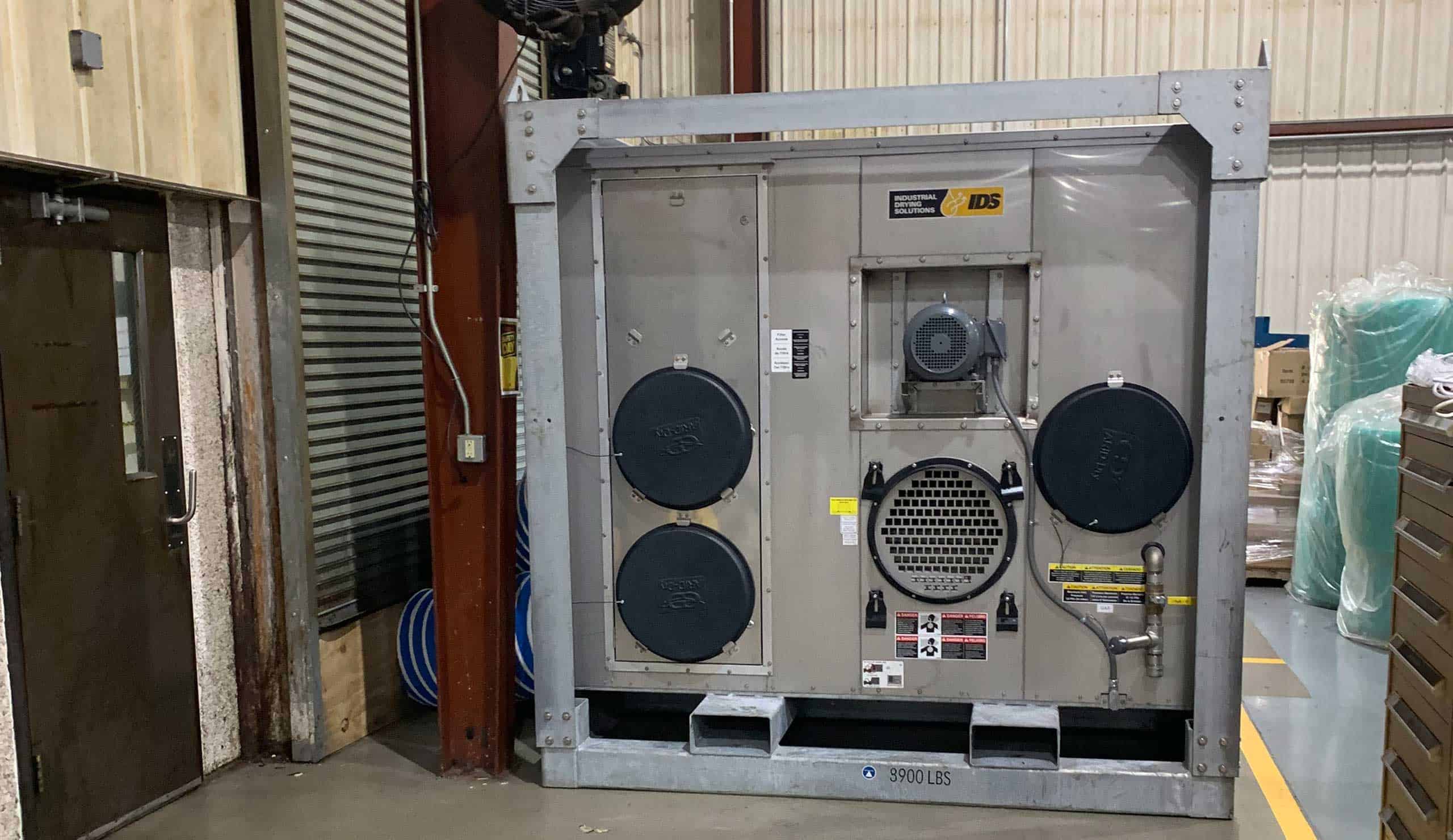
REIC Rentals supplies temporary HVAC and filtration equipment for pharmaceutical renovation scenarios: portable HEPA units, rental air handlers with documented filtration performance, and dedicated make-up air systems. Temporary IAQ equipment must be commissioned, logged, and included in installation qualification documentation so quality teams can reference its performance during regulatory review.
Documentation and Validation
Regulators expect companies to demonstrate that renovation work did not compromise GMP operations. Change control records covering the renovation scope and IAQ strategy, a contamination control strategy documenting how construction zones are isolated from production, risk assessments evaluating HVAC impact and pressure cascade disruptions, and temporary IAQ monitoring plans for the construction period are all documents that inspectors request during audits of facilities that have undergone renovation.
Documentation must cover three phases: pre-construction baseline data covering particle counts, viable sampling, temperature, humidity, and pressure in all affected zones; monitoring logs during construction on a daily or shift basis; and post-construction re-qualification results demonstrating that the production environment has been restored to its validated state.
Validation activities after construction include re-qualification of impacted cleanrooms per ISO 14644, airflow visualization studies, HEPA filter leak testing, and re-verification of packaging line performance. Retaining contractor training logs, deviation reports, and CAPA documentation for regulatory review is part of the compliance record demonstrating that the renovation was managed responsibly from the first demolition through final commissioning.
REIC Rentals engages with pharmaceutical facility engineering, quality assurance, and operations teams during preconstruction planning to design temporary IAQ infrastructure that supports compliance from the start. Request a quote or find a location near you to connect with the team supporting pharmaceutical manufacturing and packaging renovations in your area.
1.888.356.1880 | in**@**ic.com | reic.com
Service You Trust. Equipment You Need.
