
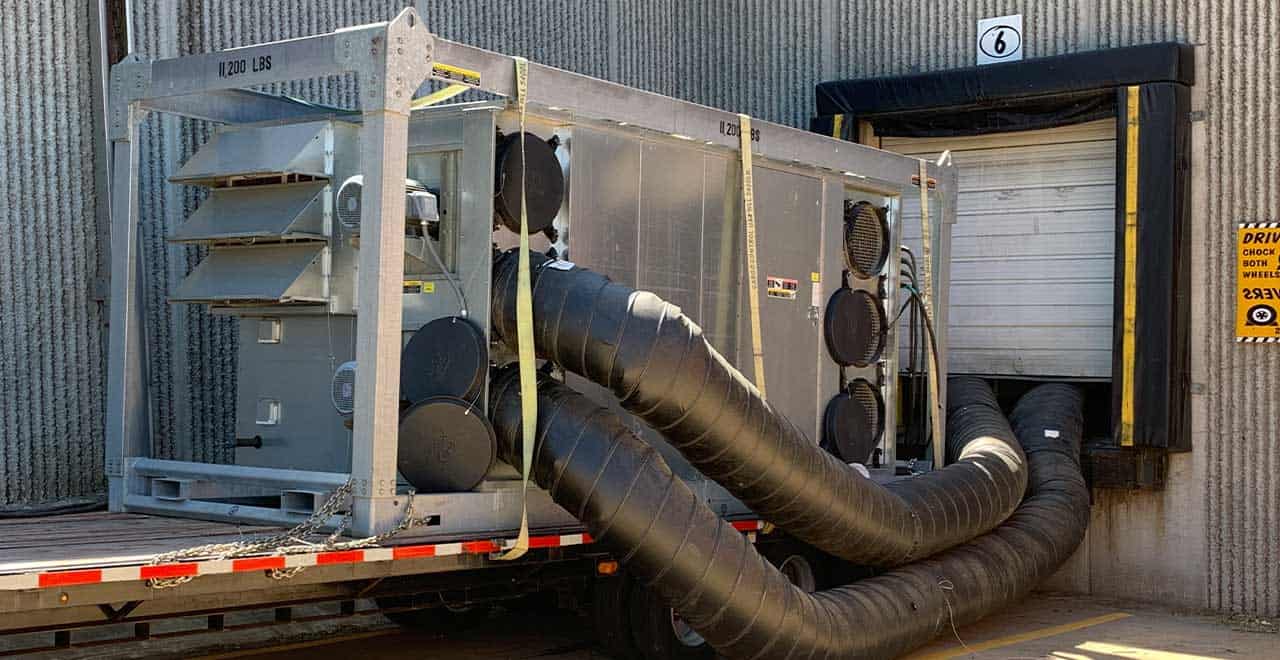
The June through September window is the primary opportunity for industrial facilities to perform non-routine work that cannot happen under normal production loads. Deep cleaning, vessel inspections, equipment repairs, system upgrades, and coatings work all require access to systems that production scheduling keeps running the rest of the year. Getting that work done efficiently, safely, and within the planned window turns a necessary outage into a genuine reliability investment rather than an expensive disruption.
The stakes are significant in both directions. Reactive repairs following unplanned failures cost multiples of the cost of the same work performed during a scheduled outage. Equipment that is not maintained during the planned window runs with deferred risk until the next opportunity, which may be a year away. And a shutdown that extends beyond its planned duration incurs its own production losses and contractual exposures that compound quickly in large facilities with significant daily output.
REIC Rentals supports industrial shutdowns and turnarounds with temporary power, cooling, heating, drying and dehumidification, compressed air, and pumping equipment. Our team engages months before the outage window, participates in site walkthroughs and load assessments, and provides the temporary utility systems and ongoing support that keep the shutdown on schedule and on budget.
Shutdown vs Turnaround: Defining the Scope Before Planning Begins
The distinction between a shutdown and a turnaround determines the scale of planning, the required lead times, and the temporary equipment needed. Getting that definition right before planning begins is what prevents scope from expanding during execution in ways that extend the timeline and erode the budget.
A standard summer shutdown is a shorter, maintenance-focused outage that typically runs for one to two weeks. The work centers on preventive tasks, basic corrective maintenance, and known repairs deferred from normal operations. Equipment access, cleaning, inspection, and lubrication dominate the scope. The temporary utility requirements are real but bounded.
A turnaround is broader in scope and longer in duration, often spanning several weeks. It may include rebuilding major equipment, infrastructure upgrades, capacity modifications, regulatory inspection work that requires full system isolation, and capital project execution that leverages the access afforded by a full outage. The work fronts are more numerous, the contractor coordination is more complex, and the temporary utility capacity required, particularly for power, cooling, and compressed air, scales accordingly.
Both event types share the same fundamental risk: scope that is not clearly defined before work begins tends to grow during execution, extending duration and increasing cost. Freezing the shutdown scope at a defined milestone in the planning process, then managing changes through a formal process rather than absorbing them informally during the outage, is one of the most effective controls available for keeping the event within its planned parameters.
Planning Timeline: When Preparation Must Begin
Effective shutdown planning begins months before the outage window, not weeks. The lead times for long-lead spare parts, contractor availability in the summer peak, and rental equipment reservations all demand that planning be substantially complete well before the shutdown begins.
Scope definition and system walkthroughs should be complete by the first quarter of the year for a summer outage. That process identifies the work packages to be executed, the systems requiring isolation, and the critical path that determines the minimum outage duration. It also identifies the temporary equipment requirements that need to be confirmed early, because large generators, temporary cooling systems, and specialty equipment have their own availability constraints during peak summer demand when multiple facilities are competing for the same rental inventory.
Long-lead procurement, including OEM spare parts for critical rotating equipment and components with extended manufacturing lead times, should be initiated well ahead of the outage. Parts that are not on site when the shutdown begins create forced holds in the work schedule, extending the outage and consuming the float built in to absorb discovered scope. Rental equipment reservations should be confirmed at the same time as contractor lock-in to ensure the temporary utility systems needed for the work are available when the shutdown starts, rather than being sourced under time pressure once the facility is already down.
REIC Rentals engages with shutdown teams during the planning phase to validate temporary equipment requirements, confirm availability, and pre-position equipment where staging logistics allow. That engagement enables rapid setup at the start of the outage, rather than a mobilization sequence that consumes days of the planned window.
Maintenance Scope: What Gets Done During a Summer Shutdown
A well-structured shutdown scope integrates preventive maintenance tasks scheduled on a calendar basis, corrective maintenance addressing known equipment conditions identified during normal operation, and condition-based maintenance triggered by monitoring data from vibration analysis, oil sampling, thermography, and process performance trending.
Preventive maintenance covers scheduled tasks, including bearing replacements, filter changes, seal replacements, lubrication of components that require access unavailable during production, and calibration of instruments and safety devices that require system isolation. These tasks are defined by maintenance intervals and should be confirmed against the current equipment condition rather than executed by default regardless of actual need.
Corrective maintenance addresses known deficiencies that have been deferred because repairs require a system shutdown. Heat exchanger fouling or degradation, pump seal failures managed with temporary repairs, insulation damage, valve packing exceeding acceptable leak rates, and structural issues requiring access to isolated systems all fall into this category. The corrective scope is often the most variable element of a shutdown because some items are discovered during the outage itself rather than identified in advance.
Condition-based maintenance responds to monitoring data that indicates approaching failure risk. Vibration analysis findings suggesting bearing deterioration, oil sampling results indicating abnormal wear, thermographic imaging revealing electrical or mechanical hot spots, and process performance data indicating reduced equipment efficiency all generate a work scope that should be addressed during the shutdown rather than deferred until the condition results in a failure during production.
Tasks that must occur during a full shutdown include confined-space vessel inspections, full-line clean-out requiring system isolation, main switchgear maintenance requiring complete electrical isolation, coatings removal in enclosed areas where work cannot be performed around operating equipment, and pressure testing of repaired systems before restart.
Heat Management During Summer Shutdown Work
Summer shutdowns introduce a heat risk that compounds the physical demands of maintenance work in ways that differ from those in normal production operations. Workers performing non-routine, high-exertion tasks in enclosed process areas during summer heat face conditions more demanding than the same work in spring or fall, and the consequences of inadequate heat management range from worker safety incidents and reduced productivity to quality failures in the maintenance work itself.
OSHA guidance on heat stress emphasizes engineering controls as the primary intervention before administrative measures and PPE. In the shutdown context, that means cooling and ventilation systems that manage ambient conditions in active work zones, rather than relying exclusively on rest breaks and hydration protocols, which place the management burden on individual workers during physically demanding tasks.
REIC Rentals provides cooling equipment, including portable air conditioners and evaporative coolers for enclosed work zones, supplemental cooling for electrical rooms and control areas that must remain within safe operating temperatures during the outage, and industrial fans for air movement in areas where active refrigerant cooling is not practical. The appropriate equipment type depends on the ambient conditions, the specific work being performed, and the heat load generated by both the work activity and any process equipment remaining in service adjacent to the shutdown zone.
Acclimatization is particularly important for shutdown workforces because contractor crews performing specialized maintenance may not have worked in the facility’s high-heat environment prior to the outage. Limiting new arrivals to gradually increasing heat exposure during their first days on site significantly reduces the risk of acute heat illness in the contractor population.
Ventilation for Confined Spaces and Enclosed Work Zones
Confined space work is a core component of most industrial shutdowns, and ventilation planning for those spaces requires specific attention beyond general site heat management. Vessel entry, tank cleaning, boiler internal inspections, and below-grade work all require atmospheric testing and continuous ventilation to maintain safe oxygen levels and prevent the accumulation of flammable or toxic gases that may be present in process equipment.
REIC Rentals’ HVAC accessories, including fans, blowers, and ducting components, support confined space ventilation during shutdown activities. Ventilation plans for each confined space entry should be developed as part of the work package, specifying the airflow rate required to maintain safe atmospheric conditions, the equipment that will provide that airflow, and the monitoring protocol that verifies conditions throughout the entry.
Enclosed work areas beyond formal confined spaces, including coating removal operations, abrasive blasting zones, and areas where welding or cutting generates fumes, require ventilation management to control contaminant concentrations for workers in the area and prevent migration into adjacent spaces where other crews or operating systems are present. REIC Rentals designs ventilation configurations for specific shutdown work areas rather than applying a standard setup regardless of the work being performed or the geometry of the space.
Temporary Power for Shutdown Operations
Shutdown work on electrical systems, including switchgear maintenance, transformer service, and distribution upgrades, requires taking permanent electrical infrastructure offline that normally serves systems the rest of the facility or portions of it depend on. Temporary power maintains those critical loads throughout the electrical work scope without requiring the full facility to operate in a reduced or compromised state during the outage.
REIC Rentals provides generators in a range of sizes for shutdown power applications, from supporting isolated work zones and individual critical systems to larger deployments that maintain control systems, lighting, fire suppression, HVAC, and instrumentation across a full facility section during planned electrical outages. Power and lighting accessories, including distribution panels, cabling, and transfer equipment, route temporary power from generation to the specific loads requiring support.
Safe temporary power installation in an industrial environment requires attention to grounding, overcurrent protection, cable routing that avoids conflict with ongoing work activities, segregation of temporary and permanent circuits, and GFCI protection in areas where water or moisture is present. REIC Rentals provides equipment configured for industrial shutdown environments and supports installation in coordination with the facility’s electrical safety requirements.
Temporary Cooling, Dehumidification, and Process Support
Summer heat affects shutdown work quality and worker safety. Coatings and linings applied during a summer shutdown require controlled temperature and humidity conditions during application and cure, which high ambient temperatures and humidity can prevent without mechanical climate control. Freshly applied industrial floor coatings, tank linings, and protective coatings on structural elements all have environmental specifications that must be maintained throughout the cure period, regardless of outdoor conditions.
REIC Rentals’ drying equipment provides dehumidification to maintain the relative humidity levels required by coating specifications during application and cure. Combined with heating equipment where temperatures need to be elevated for proper cure, and cooling where they need to be controlled against summer ambient heat, REIC Rentals provides the integrated climate control that coatings work on industrial systems require.
Compressors provide a temporary compressed-air supply when the main facility compressors are offline for maintenance, keeping pneumatic tools, instruments, and control systems supplied throughout the outage. Pumps support bypass arrangements during heat exchanger replacements, line isolations, and vessel draining that require temporary flow paths around the systems being worked on. These process support capabilities allow the shutdown scope to proceed without waiting for systems to be restored before adjacent work can continue.
Scenario: Multi-Week Industrial Turnaround
Consider a petrochemical facility planning a four-week summer turnaround covering pressure vessel inspections, heat exchanger bundle replacement, main compressor overhaul, and protective coatings work across several process areas. The scope requires full isolation of multiple systems simultaneously, contractor crews working in high-heat enclosed environments throughout the July window, and coatings application that must meet environmental specifications during both application and cure.
In that scenario, engaging REIC Rentals during the planning phase several months before the outage would allow for scope walkthroughs to confirm temporary equipment requirements for each work package and to reserve the generators, cooling systems, compressed air, and dehumidification equipment required by the scope. Equipment pre-positioned before the shutdown begins means setup does not consume days of the planned outage window. That lead time is what separates a mobilization that starts producing on day one from one that spends the first several days resolving logistics that should have been settled months earlier.
During the outage, temporary power maintains control systems and instrumentation while permanent electrical infrastructure is being serviced. Portable cooling maintains acceptable working conditions in enclosed areas where maintenance crews are active throughout the shift. Compressed air supports pneumatic tools and instrumentation across the facility while the main compressor is offline for overhaul. Dehumidification maintains the environmental conditions required by coating specifications during application and cure.
With REIC Rentals’ team on site throughout the event, monitoring equipment performance, managing fuel logistics, and responding to configuration changes as the shutdown schedule evolves, the facility team focuses on maintenance work rather than on the temporary utility systems that support it. Demobilization is sequenced alongside the restart of permanent systems rather than treated as a separate activity, which helps keep temporary utility coverage intact through the transition and avoids creating gaps when the facility is most vulnerable to them.
That outcome reflects a planning investment made months before the outage began. The equipment, the site knowledge, and the response process were all confirmed before the facility came down, which is the only point in the cycle when there is enough time to get them right.
Execution: What Keeps a Shutdown on Schedule
Planning determines the potential for a successful shutdown. Execution determines whether that potential is realized. The disciplines that keep a shutdown on schedule during execution are less complex than the planning process, but require consistent application throughout the outage window.
Daily coordination meetings that review progress against the critical path schedule, identify work that is ahead of or behind plan, and make active decisions about resource reallocation are the primary tool for keeping the outage duration within its planned parameters. Discovered scope, which is almost always present in some form during industrial shutdowns, needs to be evaluated against the critical path impact before being absorbed into the work plan, and the decision about whether to execute or defer discovered work should reflect its schedule and cost implications rather than defaulting to inclusion because access is available.
Temporary equipment from REIC Rentals requires daily inspection, fuel management, and monitoring throughout the outage. Equipment that develops a problem during the shutdown window and is not addressed promptly creates secondary downtime that compounds against an already constrained schedule. REIC Rentals technicians support active shutdown deployments to resolve equipment issues quickly rather than leaving resolution to the facility team during a period when their attention is already fully committed to the maintenance work itself.
Restart requires dedicated time for flushing, instrument calibration, interlock and functional checks, and equipment run-in before production loads are applied. A Pre-Startup Safety Review verifies that safety devices are functional and isolation points have been cleared, serving as the checkpoint before restart begins. Temporary systems are removed in stages as permanent systems come online, with REIC Rentals coordinating the demobilization sequence to avoid gaps in temporary utility coverage during the transition.
Post-Shutdown Review: Building the Foundation for the Next Outage
A post-shutdown review conducted within two to four weeks of restart captures the operational learning from the event while it is still fresh. Tasks that overran their planned duration, equipment conditions discovered during the outage that were not anticipated in the scope, and rental equipment configurations that should be adjusted for future shutdowns all represent knowledge that improves the next planning cycle.
That review also validates the maintenance work performed. Equipment that has been overhauled, repaired, or reconditioned during the shutdown should demonstrate improved performance against the operating parameters that triggered its inclusion in the scope. Condition monitoring data collected after restart confirms whether the maintenance interventions achieved their intended outcomes or whether additional work will be needed before the next scheduled outage.
REIC Rentals provides post-event documentation, including equipment runtime records and performance data from the shutdown deployment. That information supports the post-shutdown review and informs the preliminary equipment plan for the following year’s outage.
Planning Your Summer Shutdown with REIC Rentals
The temporary equipment requirements of an industrial shutdown, such as power, cooling, compressed air, dehumidification, and process support, are most effectively planned as integrated systems rather than separate equipment categories sourced independently. REIC Rentals provides all of those categories and coordinates them into a single temporary utility plan, rather than requiring the shutdown team to manage multiple vendor relationships throughout the outage window.
Engaging REIC Rentals during the planning phase, well before the summer outage window, is what enables equipment availability to be confirmed, logistics to be pre-planned, and on-site setup to proceed efficiently from the first day of the outage. Request a quote or find a location near you to start the shutdown planning conversation before the summer window makes lead times urgent.
Turning Downtime into Reliability
A well-executed summer shutdown is a reliability investment that pays off through the facility’s operational performance in the months and years that follow. Equipment maintained during the planned window runs more reliably, requires fewer unplanned interventions, and delivers the process performance that production planning depends on. The temporary equipment supporting the shutdown work makes that investment possible within the planned duration and budget.
REIC Rentals provides the power, cooling, heating, drying, compressed air, and pumping equipment that industrial shutdowns require, backed by planning support, on-site service, and a network that supports projects across North America. Explore the full range of equipment or request a quote to begin planning your next summer shutdown.
1.888.356.1880 | in**@**ic.com | reic.com
Service You Trust. Equipment You Need.
